If you love the idea of vineyards, open views, and a little more breathing room, Livermore can feel like a sweet spot in the East Bay. You get a wine-country setting without giving up Bay Area access, but the day-to-day reality is a little different from what some buyers expect. Before you buy near Livermore wine country, it helps to understand the housing mix, commute patterns, event rhythm, and price tradeoffs so you can choose the right fit for your lifestyle. Let’s dive in.
Why Livermore draws wine-country buyers
Livermore has a distinct identity in the Bay Area. The city says it was founded in 1869, calls itself California’s oldest wine region, and describes itself as the easternmost city in the San Francisco Bay Area. That setting gives you a mix of vineyards, farmland, ranch land, and suburban neighborhoods that can feel very different from more built-up East Bay markets.
A big part of the appeal is that wine country here is not remote. Livermore Valley Wine Country is positioned as an easy day trip from San Francisco and San Jose, and Alameda County identifies South Livermore as the county’s largest wine-growing region. The valley now has more than 50 wineries, which shapes both the local atmosphere and the buyer experience.
If you are drawn to outdoor living, Livermore also delivers strong open-space access. Sycamore Grove Park spans 847 acres in south Livermore, Del Valle Regional Park sits about 10 miles south with 4,395 acres for hiking, swimming, boating, and camping, and Brushy Peak Preserve overlooks the valley. In practical terms, that means your weekends may revolve more around trails, parks, and winery outings than dense urban entertainment.
What living near wine country really feels like
The biggest lifestyle takeaway is simple: Livermore gives you space and scenery, but it does not function like a major urban core. The city describes the climate as mild, and the coastal range helps create a more relaxed, less congested lifestyle. For many buyers, that calmer pace is exactly the point.
That said, you should think carefully about what kind of convenience matters most to you. If your ideal day includes quick rail access, tightly packed retail, and a highly walkable urban pattern everywhere, some parts of Livermore may feel less seamless than inner East Bay locations. If you want more room, vineyard-adjacent character, and access to open land, Livermore often feels much more aligned.
What homes look like near Livermore wine country
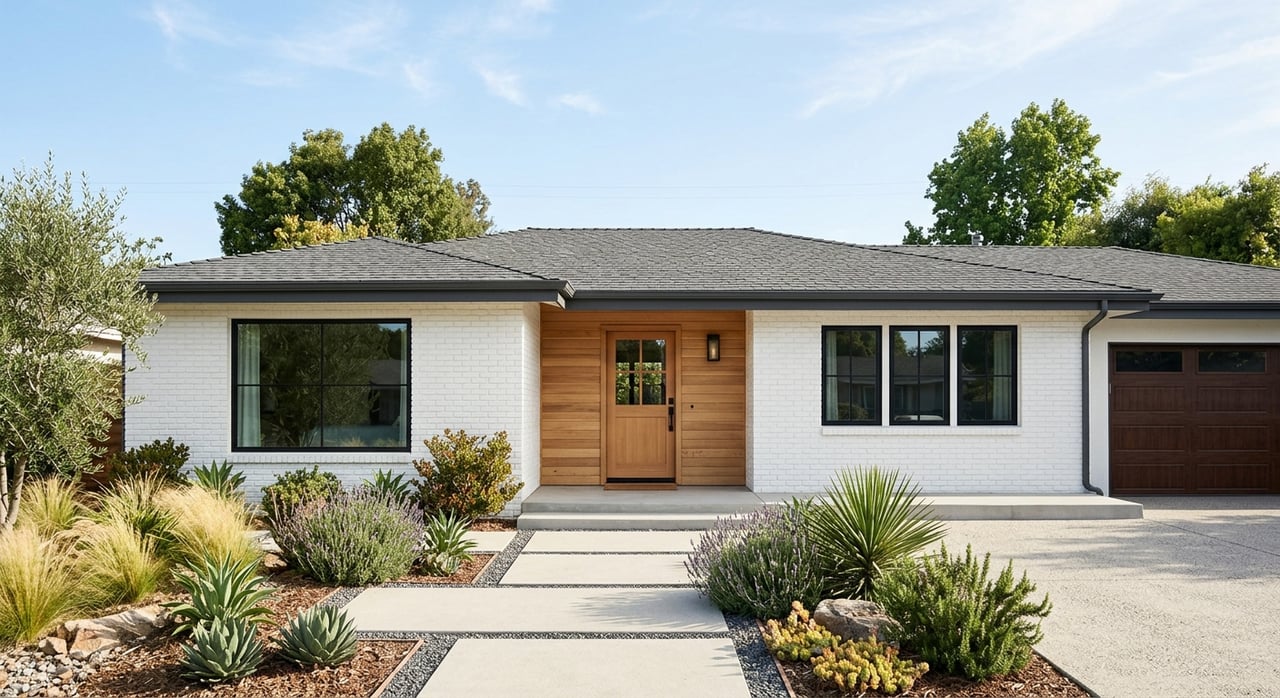
Livermore is still mostly a detached-home market. City General Plan update materials say traditional suburban detached single-family homes make up about 68% of the housing stock. The same materials note that three out of four housing permits from 1981 through 2020 were for single-family units.
That matters because many buyers picture wine-country living as estates only, when the reality is much broader. You can find older suburban tracts, newer townhomes and apartments, downtown residential projects, and valley-edge properties with a more rural feel. Your housing choice often comes down to whether you want convenience, lot size, lower maintenance, or a stronger connection to the landscape.
The city’s planning framework also reinforces that variety. The South Livermore Valley Specific Plan covers 1,891 acres along the southern city boundary and is meant to guide growth while conserving agricultural and natural resources. At the same time, downtown has added residential projects and a more pedestrian-oriented setting.
Three common home-setting options
Downtown and close-in living
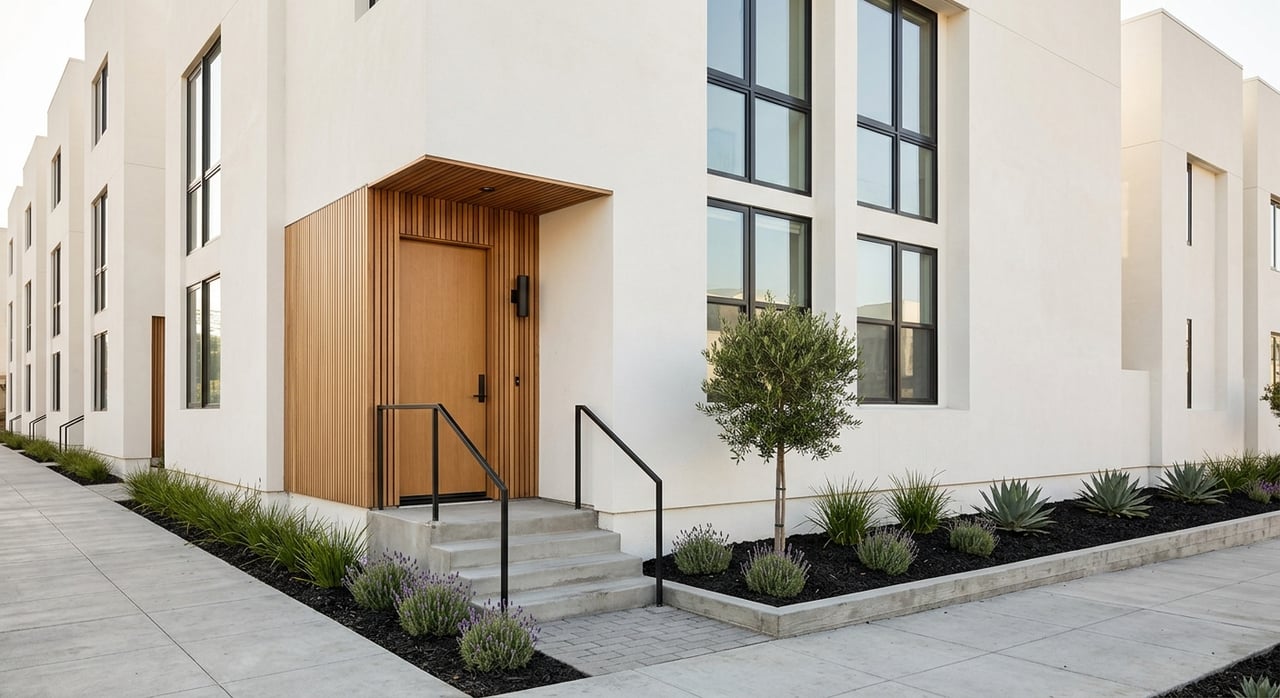
If you buy near downtown, you are more likely to find condos, townhomes, or homes with easier access to restaurants, events, and farmers markets. This can work well if you want lower maintenance and a more active street life. The tradeoff is that event days and market nights can bring more traffic, parking pressure, and noise.
Traditional suburban neighborhoods
Much of Livermore offers the classic suburban detached-home experience. These areas often appeal to buyers who want more predictable lot patterns, established streets, and a familiar residential layout. If you want a practical middle ground between wine-country charm and daily convenience, this is often where that balance shows up.
South Livermore and valley-edge properties
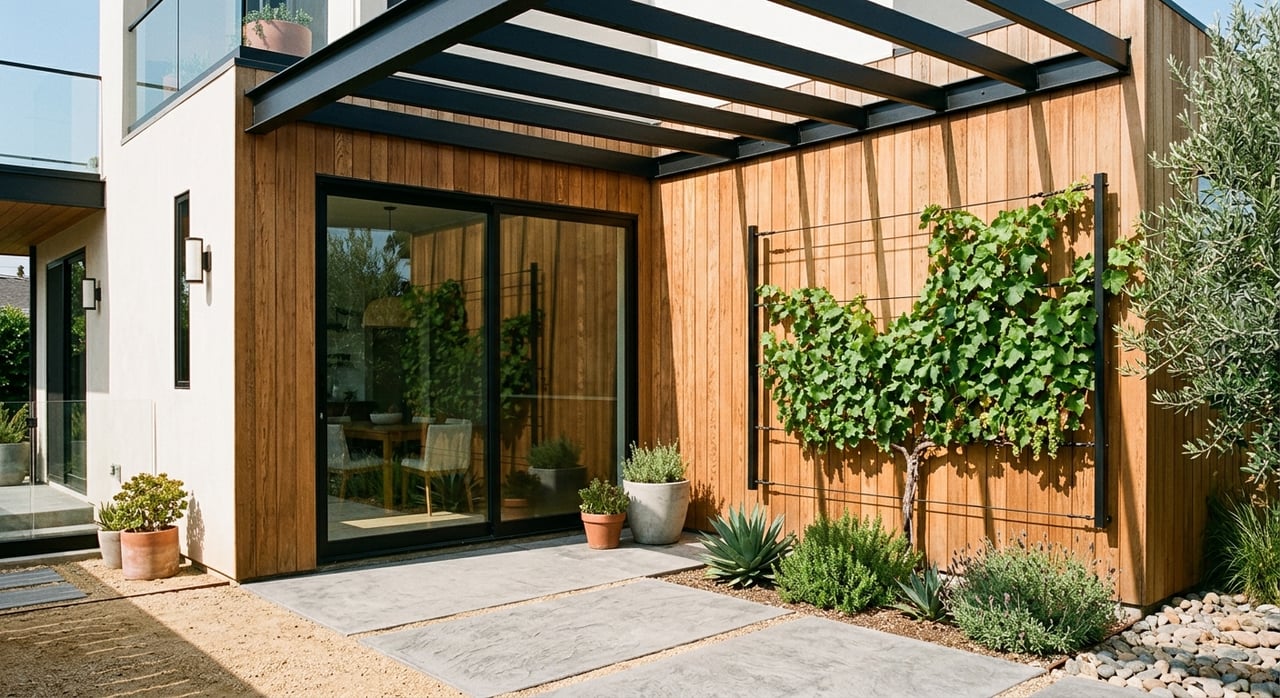
Homes closer to the southern edge of the city can feel more rural, more scenic, and less standardized than a typical subdivision. The conservation focus in South Livermore helps explain why some properties feel more tied to the land and less like tract housing. These homes may offer a stronger wine-country feel, but they can also come with different maintenance needs, larger lots, and a less suburban day-to-day rhythm.
Why local history still shapes housing character
Livermore’s ranching and agricultural past still shows up in the way buyers talk about the area. The Hagemann Ranch Historic District is recognized as a rare surviving example of early Livermore Valley farmstead architecture, including a farmhouse, barns, and outbuildings. That history helps explain why terms like ranch, valley, and agricultural character still feel relevant in today’s market.
For you as a buyer, this means some homes near wine country may be valued as much for setting and land context as for square footage alone. A property’s appeal may come from views, proximity to vineyards, or a less uniform streetscape rather than from a purely suburban checklist. That can be a plus, but it also means comparing homes requires more nuance.
Commute reality: scenic does not mean transit-first
One of the most important buyer questions is how Livermore works for commuting. BART does not currently extend to Livermore. The system reaches Dublin/Pleasanton, and Wheels Route 14 connects the Livermore Transit Center with Dublin/Pleasanton BART while also serving central Livermore, the outlet area, and Stoneridge.
ACE rail adds another option with weekday-only commuter service, including Livermore and Vasco stops on the Stockton to San Jose corridor. That can be useful, but it is not the same as having frequent all-day rail service throughout town. In most cases, buyers should expect that regional commuting still involves driving, a bus-to-BART transfer, or a more hybrid travel routine.
This is not necessarily a deal breaker. It just means you should map your real weekly patterns before you buy. If you work hybrid, travel at off-peak times, or prioritize lifestyle over the shortest possible transit trip, Livermore may still make perfect sense.
Event days can change the feel of town
Livermore has a more event-driven calendar than many suburban buyers expect. May is officially Livermore Valley Wine Month, with tastings, live music, and special events. Downtown also hosts Thursday-night and Sunday farmers markets, and June brings the longstanding Livermore Rodeo.
For many residents, these events are part of the fun. They create a sense of place and give the city an active local rhythm. But they also affect traffic, parking, and crowd levels in certain areas, especially near downtown, winery venues, and roads feeding South Livermore.
Even transit can shift around event timing. Wheels notes that downtown bus stops between K Street and J Street close every Thursday evening to accommodate the farmers market. That is a small detail, but it tells you something important about everyday life near the core: local events are not background noise here, they shape how some parts of town function.
Climate and outdoor comfort matter
Livermore’s climate is part of its appeal, especially if you enjoy outdoor living. The city describes the climate as mild, and the valley’s east-west orientation allows coastal breezes to cool warm air, helping create warm days and cool nights. That pattern supports vineyard growing conditions and makes patios, parks, and outdoor recreation a major part of local life.
Still, buyers comparing Livermore with more coastal East Bay locations should think about summer comfort. Warm days can be a positive if you want sunshine and outdoor space, but they also raise practical questions about shade, cooling, and how you plan to use your home outside in hotter months. This is one of those small details that can make a big difference in long-term satisfaction.
Price ranges and buyer tradeoffs
Livermore offers a wide pricing spread depending on property type and location. The City of Livermore’s 2025 property-tax summary reported a median single-family residence price of $1,165,000. Bay East 2026 year-to-date reports show detached homes concentrated mostly in the $1.0 million to $1.699 million range, with some sales above $2 million.
Condominiums and townhomes are generally lower on the pricing ladder, with more activity concentrated between $500,000 and $999,000. That creates a very different entry point depending on the type of home you want. A downtown condo, a suburban detached home, and a South Livermore estate can each represent a completely different budget and ownership experience.
This is where a finance-first approach matters. The smartest choice is not always the most scenic home or the lowest monthly payment. It is the property that fits your commute, maintenance comfort, long-term goals, and buying power without stretching you into a lifestyle that feels harder to sustain.
How to decide if wine-country living fits you
If you are considering buying near Livermore wine country, focus on a few practical questions first:
- Do you want open space and scenery more than dense urban convenience?
- Are you comfortable with a more car-oriented commute pattern?
- Would you enjoy local event energy, or do you prefer a quieter location farther from downtown and winery activity?
- Are you looking for a lower-maintenance condo or townhome, or do you want a detached home with more land and upkeep?
- How much does summer heat management matter in your home search?
When you answer those questions honestly, the right part of Livermore usually becomes much clearer. Some buyers fall in love with the downtown edge. Others want a classic suburban neighborhood. And some are specifically looking for valley-edge properties that feel closer to vineyards and open land.
A smart buying strategy for Livermore
Because Livermore has several distinct submarkets, it helps to compare homes through both a lifestyle and financing lens. You are not just choosing a house. You are choosing how much commute complexity, event activity, lot maintenance, and outdoor exposure you want in daily life.
That is especially true if you are balancing budget with long-term value. A more affordable townhome may improve monthly flexibility and location convenience, while a detached home may offer more space and a different resale profile. A valley-edge property may deliver the strongest setting, but it may also require a more careful look at upkeep, access, and overall carrying cost.
Working through those tradeoffs early can save you time and help you avoid chasing homes that do not truly match your priorities. In a market like Livermore, clarity matters as much as excitement.
If you want help comparing neighborhoods, understanding price bands, or building a financing plan for a home near Livermore wine country, Glen Dsouza can help you make a smart, confident move.
FAQs
What is Livermore wine country like for everyday living?
- Livermore offers a wine-country setting with vineyards, open space, parks, and a calmer suburban pace, but daily life is generally more car-oriented than in denser East Bay locations.
What types of homes can you buy near Livermore wine country?
- Buyers can find downtown condos and townhomes, traditional suburban detached homes, and valley-edge properties with a more rural or vineyard-adjacent feel.
Is there BART service in Livermore for commuters?
- No. BART currently extends to Dublin/Pleasanton, and Livermore commuters often use a car, a bus connection like Wheels Route 14, or ACE weekday rail service.
What should buyers know about Livermore events and traffic?
- Wine events, farmers markets, and the Livermore Rodeo can make some parts of town busier, especially near downtown, winery venues, and roads leading into South Livermore.
How much do homes cost near Livermore wine country?
- Recent local data showed a median single-family residence price of $1,165,000 in Livermore, with detached homes often ranging from about $1.0 million to $1.699 million and many condos or townhomes concentrated between $500,000 and $999,000.
Is buying near South Livermore different from buying in central Livermore?
- Yes. South Livermore and valley-edge areas can feel more rural and scenic, while central and downtown areas may offer more convenience, a more active event calendar, and a different housing mix.