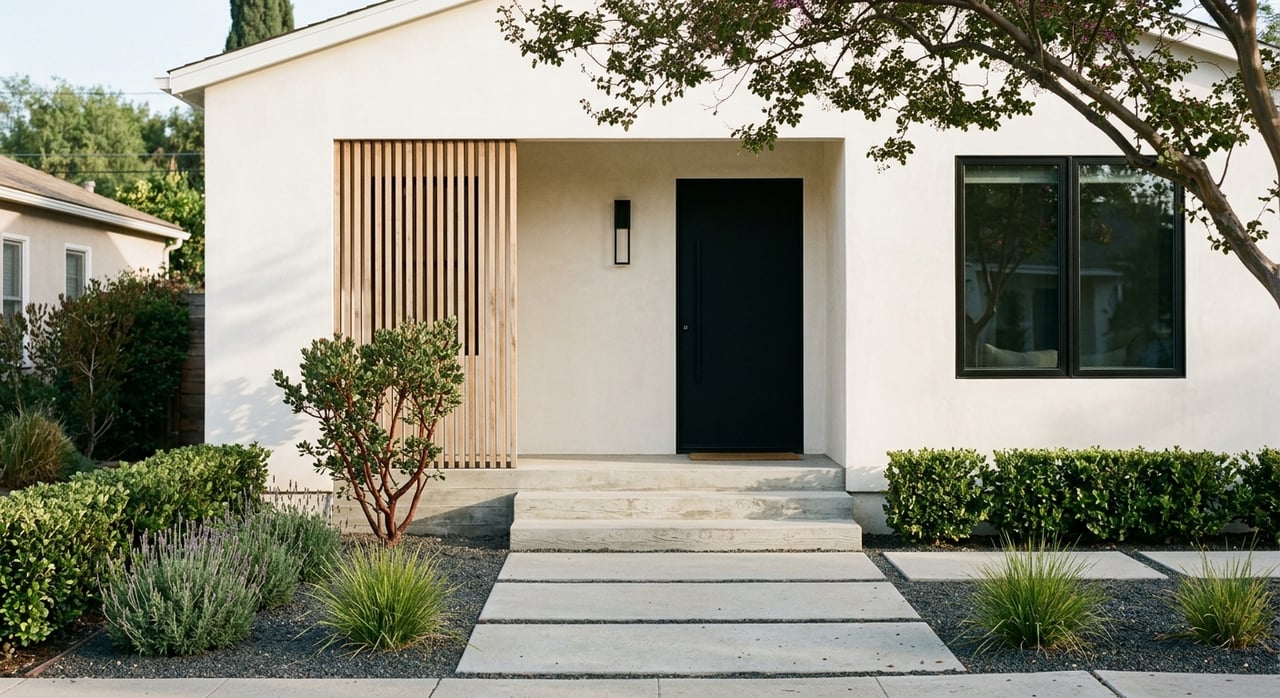
Buying your first home in Castro Valley can feel like aiming for a moving target. Prices are high, homes sell quickly, and the idea of a "starter home" here often looks different than buyers expect. If you want a realistic picture of what entry-level buying looks like, what to watch for, and how to stay competitive without overextending yourself, this guide will help you take the next step with more confidence. Let’s dive in.
What a starter home means here
In Castro Valley, a starter home usually does not mean a low-cost single-family house by Bay Area standards. According to Redfin’s Castro Valley housing market data, the median sale price was $1.125 million as of February 2026, homes sold in about 14 days, and the average home received about two offers.
That pace matters because it shapes your options. In this market, the lower end is often made up of attached homes, condos, townhomes, and smaller or older detached houses rather than a broad selection of single-family homes under $700,000.
Recent sold examples in Redfin’s Castro Valley sales data suggest a practical entry range of about $418,000 to $699,000 for attached homes and roughly $745,000 to $935,000 for smaller detached homes. Many updated or larger 3-bedroom homes sell at or above $1 million.
Why Castro Valley feels competitive
Castro Valley is not just expensive. It is also a fast-moving market where buyers often have limited time to make decisions. Redfin describes it as a most competitive market, with homes selling about 3% above list price on average.
Local ownership patterns also help explain demand. The U.S. Census QuickFacts profile cited in the market data shows Castro Valley has a 72.5% owner-occupied rate, compared with 54.4% countywide, along with a higher median household income than Alameda County overall.
For you, that means two things. First, well-priced homes can draw attention quickly. Second, success usually comes from preparation and strategy, not just offering the highest number possible.
Common starter-home types in Castro Valley
If you are shopping at the lower end of the market, it helps to know what you are most likely to see. Castro Valley’s housing stock is older and heavily oriented toward single-family homes.
According to Alameda County lead-abatement service review data, 77% of Castro Valley housing units were built before 1980. Earlier county planning materials also describe the community as primarily single-family detached, with many homes built between 1940 and 1959.
That age and housing mix show up in entry-level inventory today. Based on recent sold homes in Castro Valley, buyers commonly encounter layouts such as:
- 1 bed, 1 bath
- 2 bed, 1 bath
- 2 bed, 2 bath
- 3 bed, 1 bath
- 3 bed, 2 bath
- 3 bed, 2.5 bath
Many smaller examples fall in the roughly 778 to 1,557 square foot range. That makes layout, storage, parking, and future renovation potential especially important when comparing homes.
Why entry-level inventory stays tight
If you have been waiting for a wave of new affordable homes to hit the market, Castro Valley may not deliver that in a big way. Alameda County housing-element materials indicate that future growth is expected to come mainly through smaller infill projects rather than large new subdivisions.
In practical terms, that can keep supply limited, especially for buyers looking for lower-priced options in move-in ready condition. You may need to balance price, condition, and property type instead of expecting to get all three at once.
What buyers should inspect closely
Because so much of Castro Valley’s housing stock is older, inspections matter even more than usual. A lower price point can be appealing, but hidden repair costs can change the math quickly.
Lead paint risks in older homes
If a home was built before 1978, the EPA says it may contain lead-based paint. Since Castro Valley has a large share of older homes, this is especially relevant if you plan to remodel soon after closing.
That does not automatically mean a home is a bad fit. It means you should understand the age of the property, ask questions early, and plan for lead-safe work practices if improvements are part of your budget.
Sewer lateral responsibility
Sewer laterals are a local issue many first-time buyers do not think about until late in escrow. The Castro Valley Sanitary District code states that the private sewer lateral is subject to district inspection and approval, and the property owner is responsible for maintenance.
Before closing, ask whether the sewer lateral has been inspected and whether any repair work is pending. A home that seems affordable up front can become more expensive if a major sewer issue appears after purchase.
Hillside and wildfire factors
Not all Castro Valley properties carry the same site-related risks. Alameda County’s natural hazards and public safety chapter notes that landslide susceptibility is highest in the upland northern and eastern parts of Castro Valley, especially in steep hillside areas.
The county also notes that wildfire risk is generally greatest along the northern, eastern, and southern edges of the community where neighborhoods meet undeveloped vegetation. If you are considering a hillside or edge-area property, check the address in CAL FIRE hazard-zone tools and ask how those conditions may affect insurance, maintenance, and long-term planning.
How to compete without overreaching
In a market where homes can move in two weeks or less, it is easy to feel pressure to waive protections or stretch your budget too far. A better approach is to be fully prepared before the right home appears.
The Consumer Financial Protection Bureau recommends getting preapproved, comparing loan options, and making purchase offers contingent on financing and a satisfactory inspection. In a market like Castro Valley, that guidance is especially useful.
A strong offer often comes from being organized and clear, not just aggressive. That can include:
- Full preapproval before you shop seriously
- A budget that accounts for monthly payment, repairs, and reserves
- Clean documentation ready for your lender and agent
- A focused search based on realistic price points and property types
- Keeping key protections in place when possible
This is where a finance-first strategy can help. If you know your comfort zone in advance, you are less likely to make a rushed decision that creates stress after closing.
Budget beyond the down payment
One of the biggest first-time buyer mistakes is focusing only on the down payment. Your cash needed to close will usually be higher than that.
The CFPB explains that closing costs commonly run about 2% to 5% of the purchase price. Fannie Mae also notes, through the same CFPB-linked planning context in the research, that earnest money is typically held in escrow and may be applied toward your down payment or closing costs if the sale closes.
For a Castro Valley starter home, that means you should plan for:
- Down payment
- Closing costs
- Earnest money deposit
- Inspection expenses
- Immediate repairs or safety work
- Cash reserves after closing
If you are buying an older condo, townhome, or smaller detached home, this extra cushion matters. It can give you room to handle the normal surprises that come with aging housing stock.
Ask about first-time buyer assistance
If cash to close is the main hurdle, it is worth asking your lender about assistance programs. The CalHFA MyHome program can provide a deferred-payment junior loan of up to 3.5% of the purchase price or appraised value for FHA loans, or up to 3% for conventional loans.
CalHFA works through approved lenders rather than lending directly to buyers. For some first-time buyers, that can free up cash for reserves, inspections, or closing costs instead of using every available dollar on the down payment.
A smarter way to shop Castro Valley starter homes
The best way to approach Castro Valley is with realistic expectations and a clear financial plan. You may need to start with an attached home, a smaller footprint, or an older property that needs updates over time.
That is not a setback. For many buyers, it is the most practical path into a community where prices remain high and inventory stays limited.
If you want help understanding what your numbers mean in the real world, comparing loan scenarios, or identifying the tradeoffs between condos, townhomes, and smaller detached homes, connecting with a local advisor can make the process much clearer. Glen Dsouza brings mortgage and banking experience to the home search, helping you build a strategy that fits both the market and your long-term finances.
FAQs
What is the typical price range for starter homes in Castro Valley?
- Based on recent Castro Valley sold data, attached homes often fall around $418,000 to $699,000, while smaller detached homes may land around $745,000 to $935,000, with many updated 3-bedroom homes selling above $1 million.
What kinds of starter homes are most common in Castro Valley?
- Buyers often see condos, townhomes, and smaller or older detached homes with layouts like 1-bedroom, 2-bedroom, and modest 3-bedroom floor plans, often in the roughly 778 to 1,557 square foot range.
What inspection issues matter most for older Castro Valley homes?
- Lead-based paint in pre-1978 homes, sewer lateral condition, and site-related concerns like hillside stability or wildfire exposure are all important items to review during due diligence.
How fast do Castro Valley homes usually sell?
- According to Redfin’s Castro Valley housing market report, homes were selling in about 14 days as of February 2026.
What should first-time buyers budget besides the down payment in Castro Valley?
- You should also plan for closing costs, earnest money, inspections, possible repairs, and post-closing reserves, with the CFPB noting that closing costs commonly run about 2% to 5% of the purchase price.
What financing help should first-time Castro Valley buyers ask about?
- Ask an approved lender about CalHFA options such as the MyHome assistance program, which may help with part of the cash needed at closing depending on your loan type and eligibility.