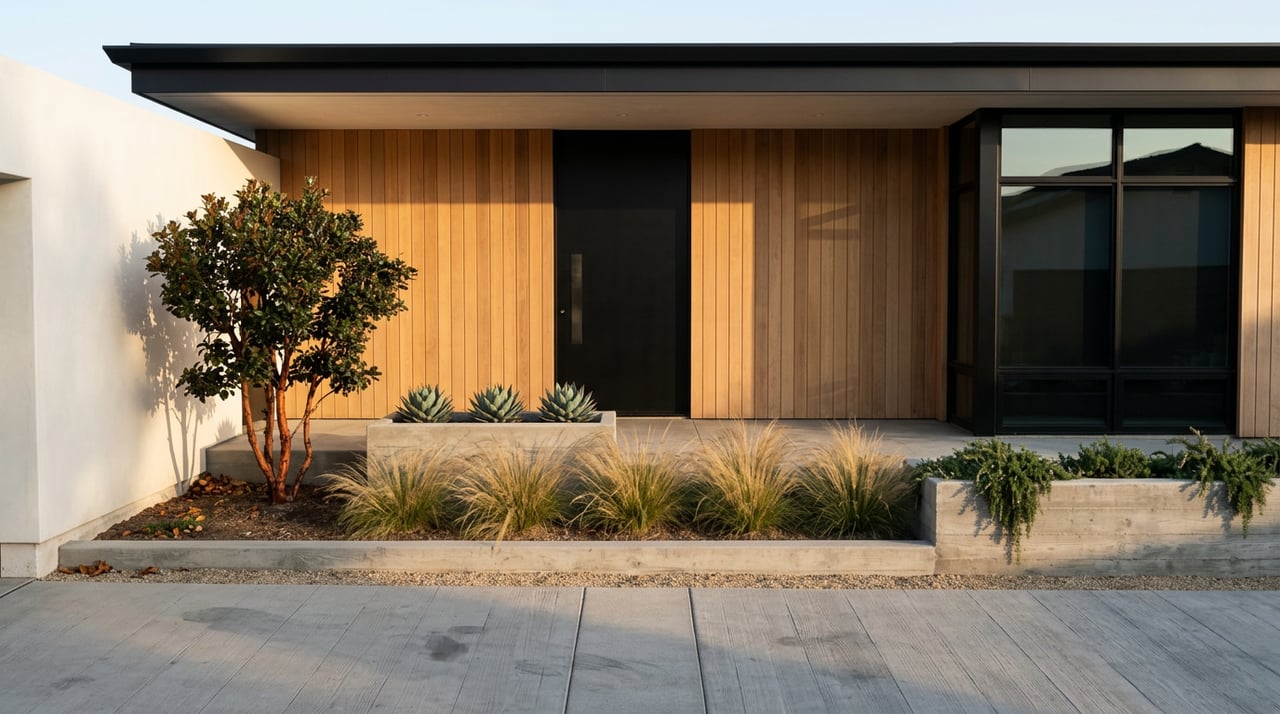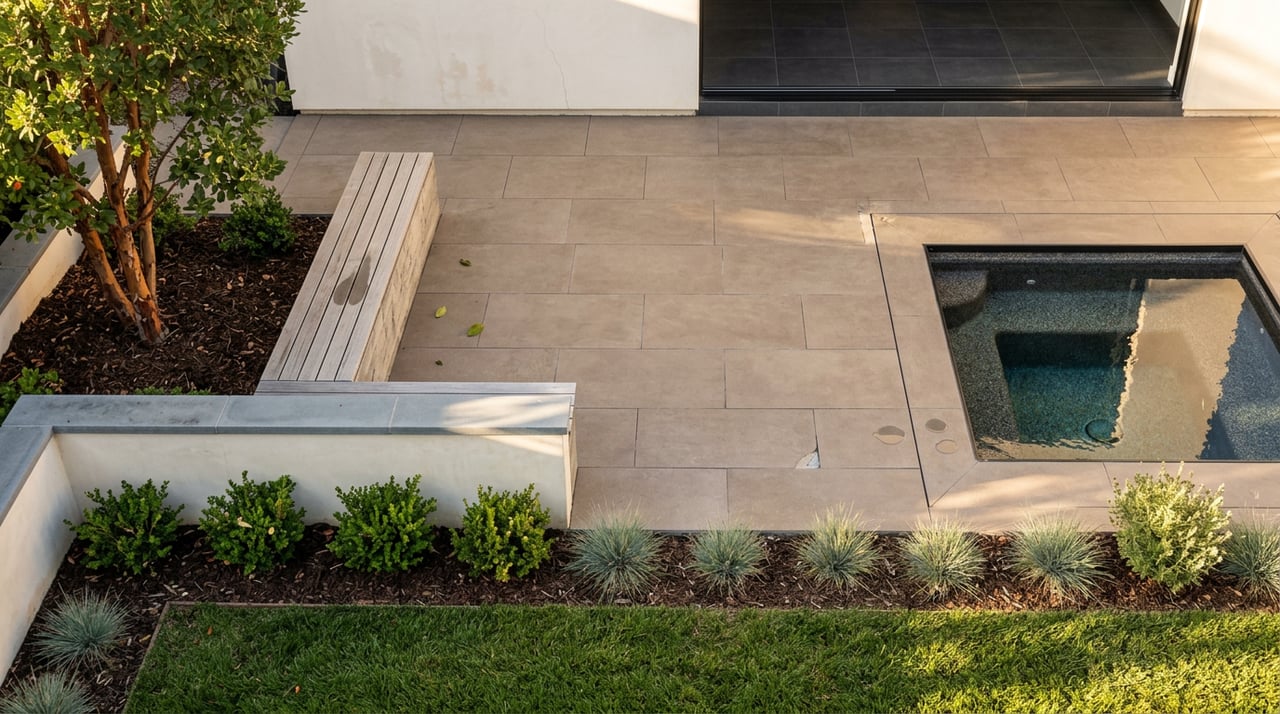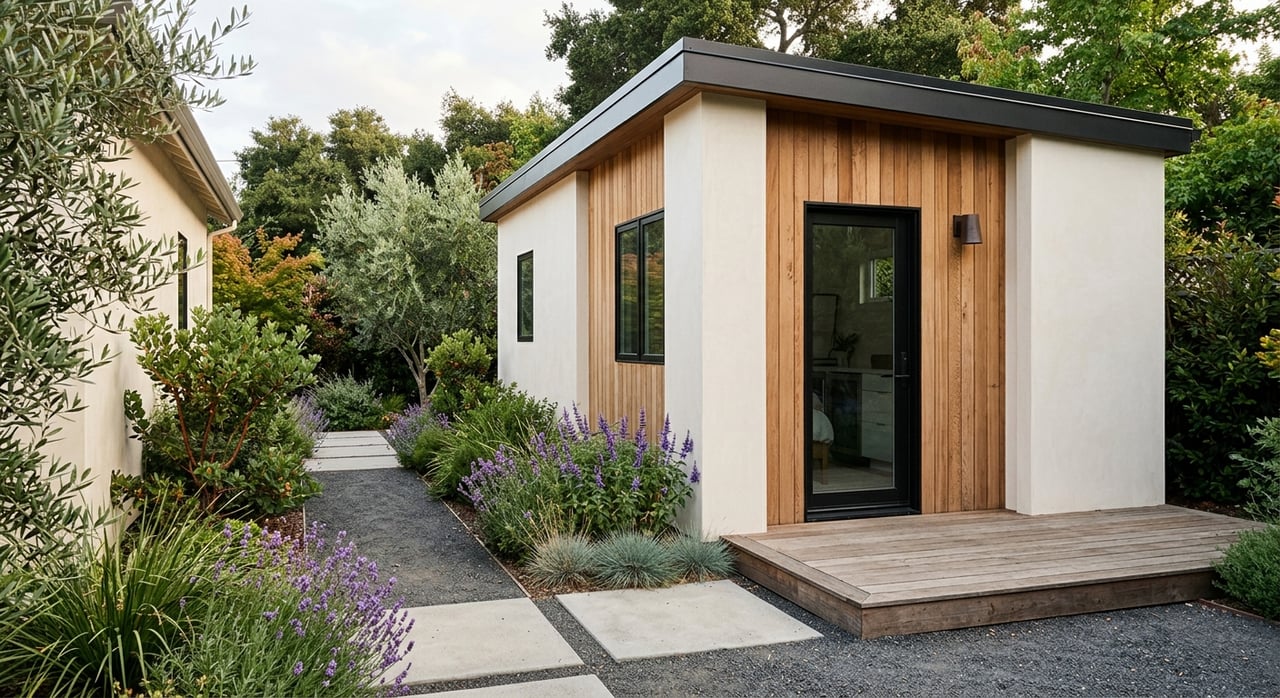
Thinking about updating your San Ramon home, but not sure how to fund it without draining your savings? A HELOC can be a flexible tool for the right homeowner, especially if you want to tackle upgrades in phases instead of paying for everything at once. If you understand how it works, where the risks are, and which projects tend to make the most sense locally, you can make a much more confident decision. Let’s dive in.
How a HELOC works
A home equity line of credit, or HELOC, is an open-end line of credit secured by your home equity. Your equity is the difference between your home’s value and what you still owe on your mortgage, according to the Consumer Financial Protection Bureau.
Unlike a lump-sum loan, a HELOC lets you draw funds as needed up to a set limit during the draw period. That can be helpful if your renovation will happen in stages, such as design first, construction later, and finish selections after that.
If you already have a mortgage, a HELOC is generally a second mortgage. During the draw period, many homeowners make only minimum payments on the amount they actually use, but once repayment begins, monthly payments can rise substantially, as the CFPB explains.
Why San Ramon owners consider HELOCs
San Ramon is a high-value housing market, which can create meaningful home equity for long-time owners. In March 2026, Bay East reported a median detached home sale price of $1.68 million, with about 2.7 months of inventory, a 14-day average market time, and homes selling at 101% of list price on average.
In a market like that, even smaller upgrades can matter when you eventually sell. That does not mean every project pays off equally, but it does mean thoughtful improvements may have a real impact on both daily use and resale.
A HELOC can also fit homeowners who want flexibility. If you are refreshing a kitchen now and considering an outdoor project or ADU-style space later, a revolving credit line can be easier to manage than borrowing one fixed amount upfront.
When a HELOC can make sense
A HELOC is often most useful when your project has a clear purpose and a realistic budget. It can also be a good fit when you want access to funds over time rather than all at once.
Here are a few situations where it may be worth exploring:
- You have built up significant equity in your San Ramon home.
- You want to complete upgrades in phases.
- You have stable income and room in your monthly budget.
- You are focused on practical improvements, not overbuilding.
- You want to preserve cash reserves for other goals or surprises.
Lenders generally look at your income, assets, employment, debt load, monthly expenses, and credit history. The CFPB notes that lenders must make a good-faith determination that you can repay the loan, not just qualify you based on a low introductory payment.
What lenders usually review
If you are thinking about applying, it helps to know what is typically under the microscope. Lenders usually want to see both enough equity in the home and enough monthly cash flow to support the payment.
They may review:
- Current income and employment
- Available assets
- Monthly debts and expenses
- Credit history and score
- Debt-to-income ratio
Your debt-to-income ratio is your monthly debt payments divided by your gross monthly income, and different lenders set different limits. Credit score also matters, since stronger credit can improve eligibility and may help you secure a better rate, according to the CFPB’s mortgage guidance.
San Ramon upgrades that fit a HELOC
Not every remodel needs a massive construction loan. In many cases, San Ramon homeowners are better served by targeted projects that improve livability and align with local permit rules.
Kitchen refreshes
A kitchen update is one of the most common reasons homeowners tap equity. In San Ramon, even a kitchen remodel can involve more paperwork than many owners expect.
The city’s kitchen remodel requirements show that projects may need scaled plans, floor plans, and construction details for new or reframed walls or openings. If your remodel affects windows, insulation, heating, water heating, or other envelope components, Title 24 energy forms may also be required.
That is one reason a HELOC can be useful here. Plans, permit fees, and construction costs do not always hit all at once, so a revolving line can better match the pace of the work.
Outdoor living upgrades
Outdoor improvements can also be a practical use of HELOC funds, especially if your goal is to improve how the home lives without committing to a full addition. A deck project is a strong example.
In the Pacific region, the 2025 Cost vs. Value report found that a wood deck addition recouped 102.5% of cost on average, while a composite deck addition recouped 94.9%. While your exact return depends on the home and the work itself, this supports the idea that functional outdoor upgrades can be a smart middle ground.
ADU-style spaces
For some homeowners, flexible space is the real goal. That might mean a garage conversion, a guest setup, or another use within the city’s ADU framework.
San Ramon allows ADUs and JADUs on eligible lots, and a Junior ADU can be up to 500 square feet within an existing single-family structure. The city also offers a permit-ready detached ADU pre-approval program, which can be helpful if you want to explore a project in a more structured way.
Focus on projects with better value
If your goal is to improve resale as well as livability, smaller and more targeted projects often perform better than large upscale remodels. That is one of the clearest takeaways from the 2025 Pacific Cost vs. Value data.
Here is a quick comparison:
| Project | Average cost recouped |
|---|---|
| Minor kitchen remodel | 129.1% |
| Wood deck addition | 102.5% |
| Midrange bath remodel | 91.0% |
| Major kitchen remodel | 57.2% |
| Upscale major kitchen remodel | 38.8% |
For many San Ramon homeowners, that means a smart refresh may outperform a high-end overhaul. You do not always need the biggest project to make the strongest financial case.
Watch the risks before you borrow
A HELOC can be helpful, but it is not free money. Because your home secures the line, you want a clear repayment plan before you draw from it.
One key risk is rate movement. HELOC rates are usually variable and are generally based on an index plus a margin, though some plans allow a fixed-rate conversion for part of the balance, according to the CFPB HELOC brochure.
Fees matter too. Lenders may charge application, origination, appraisal, title, annual, inactivity, cancellation, or conversion fees, so it is important to compare total cost and not just a teaser rate, as the CFPB notes here.
There is also an access risk that many borrowers overlook. If your home value drops significantly or the lender believes your financial situation has changed, the lender may freeze additional advances under the line, according to the CFPB.
San Ramon permit details to plan for
Renovation budgets in San Ramon should include time as well as money. The city routes permits through planning, building, and engineering, and permit applications are typically processed in 5 to 10 business days, though HOA approvals can delay issuance.
For larger remodels, there may be another local requirement to build into your schedule. San Ramon requires 65% construction-and-demolition recycling, and projects valued at $100,000 or more need an approved waste management plan before permit issuance.
This is where planning ahead really matters. If your contractor, designer, and financing timeline are not aligned, you can end up paying interest while waiting for paperwork or approvals.
Don’t assume the tax break applies
Some homeowners assume HELOC interest is always deductible, but that is not automatic. The IRS says interest on home equity borrowing is deductible only when the funds are used to buy, build, or substantially improve the home securing the loan, as outlined in this IRS guidance.
If you use the funds for personal debt or unrelated expenses, the interest generally does not qualify under that rule. It is smart to confirm the tax treatment with a CPA or enrolled agent before you count on any deduction.
Questions to ask before opening a HELOC
Before you move forward, compare offers carefully. The CFPB recommends asking about the draw period, repayment period, rate index and margin, minimum draw rules, and whether there is a fixed-rate conversion option.
You should also ask yourself:
- Is this project improving daily use, resale potential, or both?
- Am I borrowing for a targeted update or a wish list that may grow?
- Can I comfortably handle higher payments later?
- Do I understand the permit path in San Ramon?
- Have I compared project cost to likely value?
If you can answer those questions clearly, you are already in a much better position than most borrowers.
A smart way to think about HELOC-funded upgrades
The best use of a HELOC is usually not the flashiest project. In many cases, it is the project that solves a real problem, fits your budget, and respects the realities of the San Ramon market.
That might be a practical kitchen refresh, a useful outdoor living upgrade, or a flexible ADU-style space that helps your home work harder for you. The key is tying financing decisions to local resale logic, permit requirements, and your long-term plans.
If you want help thinking through whether a remodel is worth it, how it may affect resale, or what type of improvement makes sense for your home in San Ramon, connect with Glen Dsouza. His finance-first approach can help you make a smarter decision before you borrow, build, or list.
FAQs
What is a HELOC for a San Ramon homeowner?
- A HELOC is a revolving line of credit secured by your home equity, which lets you borrow as needed up to a limit during the draw period.
How do lenders evaluate a HELOC application for home upgrades?
- Lenders generally review your equity, income, assets, employment, debt load, monthly expenses, and credit history to determine whether you can repay the line.
Which San Ramon remodeling projects fit a HELOC best?
- Projects that happen in phases or have targeted budgets often fit best, such as kitchen refreshes, outdoor living upgrades, and some ADU-style improvements.
Do San Ramon remodeling projects usually need permits?
- Many do, and the City of San Ramon routes permits through multiple departments, with typical processing times of 5 to 10 business days, though HOA approval can add time.
Is HELOC interest tax deductible for San Ramon home improvements?
- It may be deductible only if the funds are used to buy, build, or substantially improve the same home securing the loan, so you should confirm the tax treatment with a qualified tax professional.
Are smaller upgrades better than major remodels in San Ramon?
- Often, yes. The Pacific Cost vs. Value data suggests targeted projects like minor kitchen remodels and deck additions may hold value better than major upscale kitchen overhauls.