Wondering what daily life in Castro Valley actually feels like once you get past the listing photos and map pins? If you are weighing a move here, you probably want more than home prices. You want to know where people spend weekends, where errands are easiest, and how realistic the commute will be. This guide walks you through the parks, dining hubs, and transportation patterns that shape everyday living in Castro Valley. Let’s dive in.
What Castro Valley Feels Like Day to Day
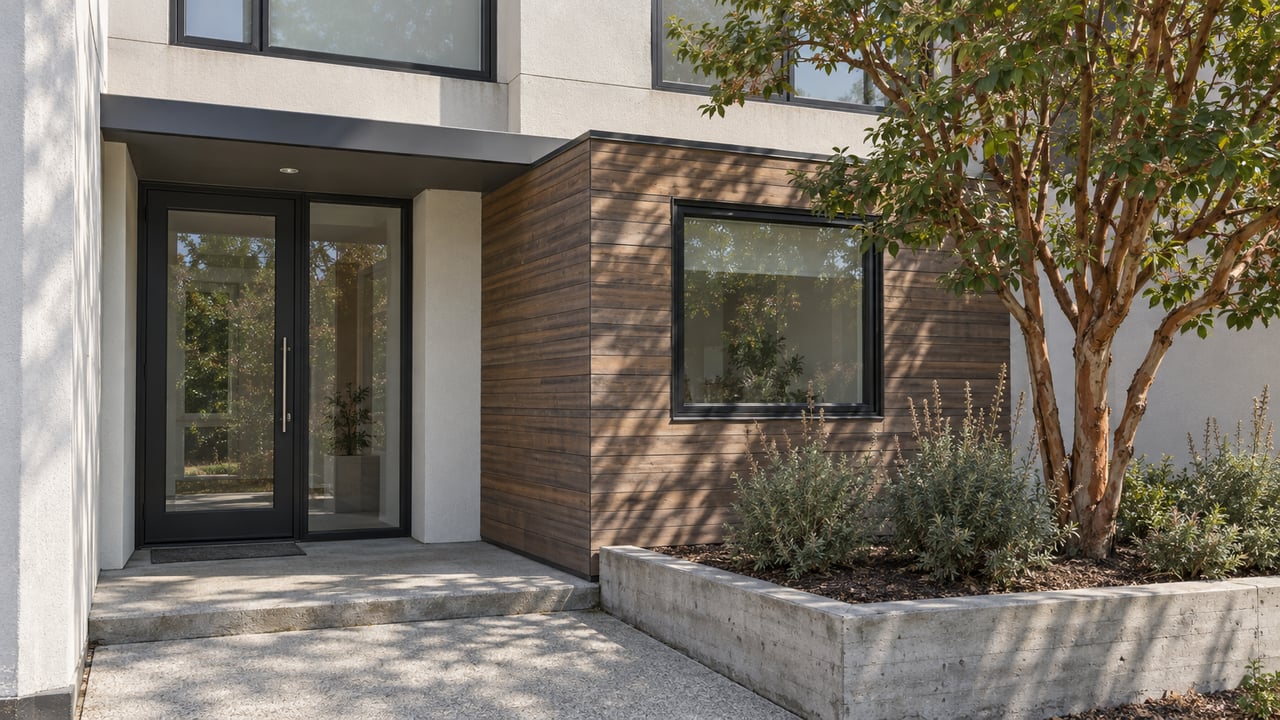
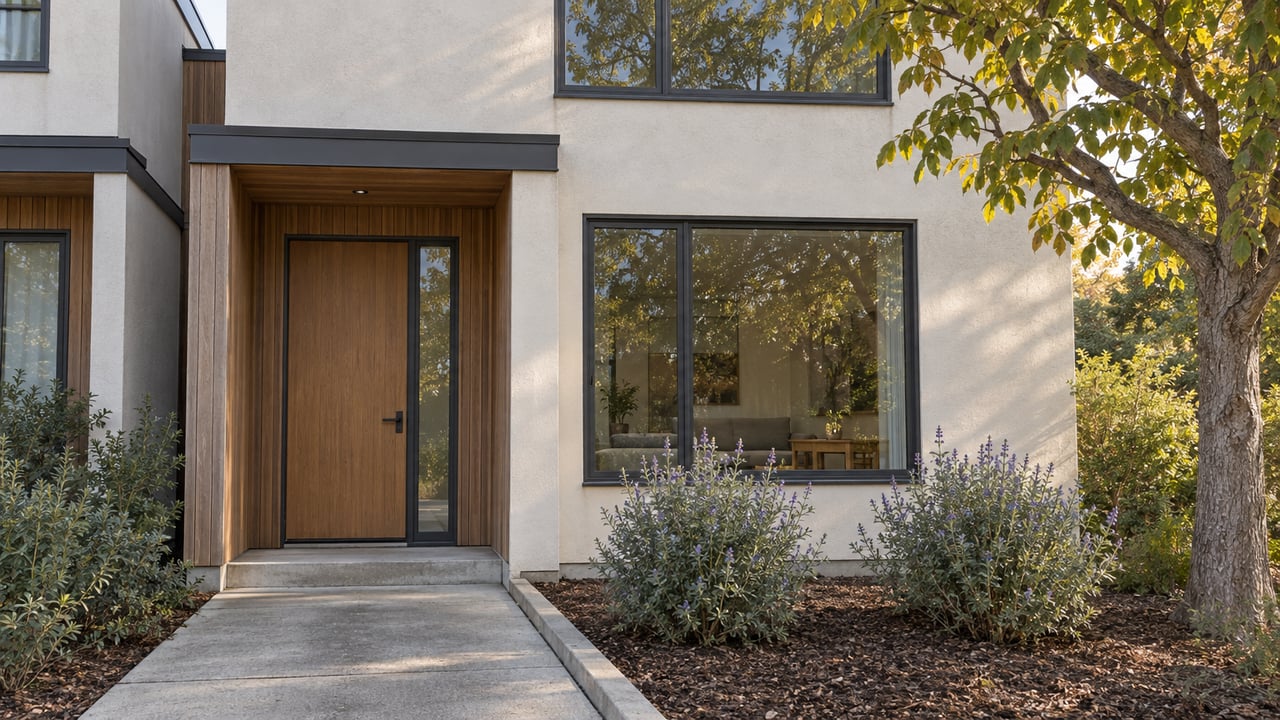
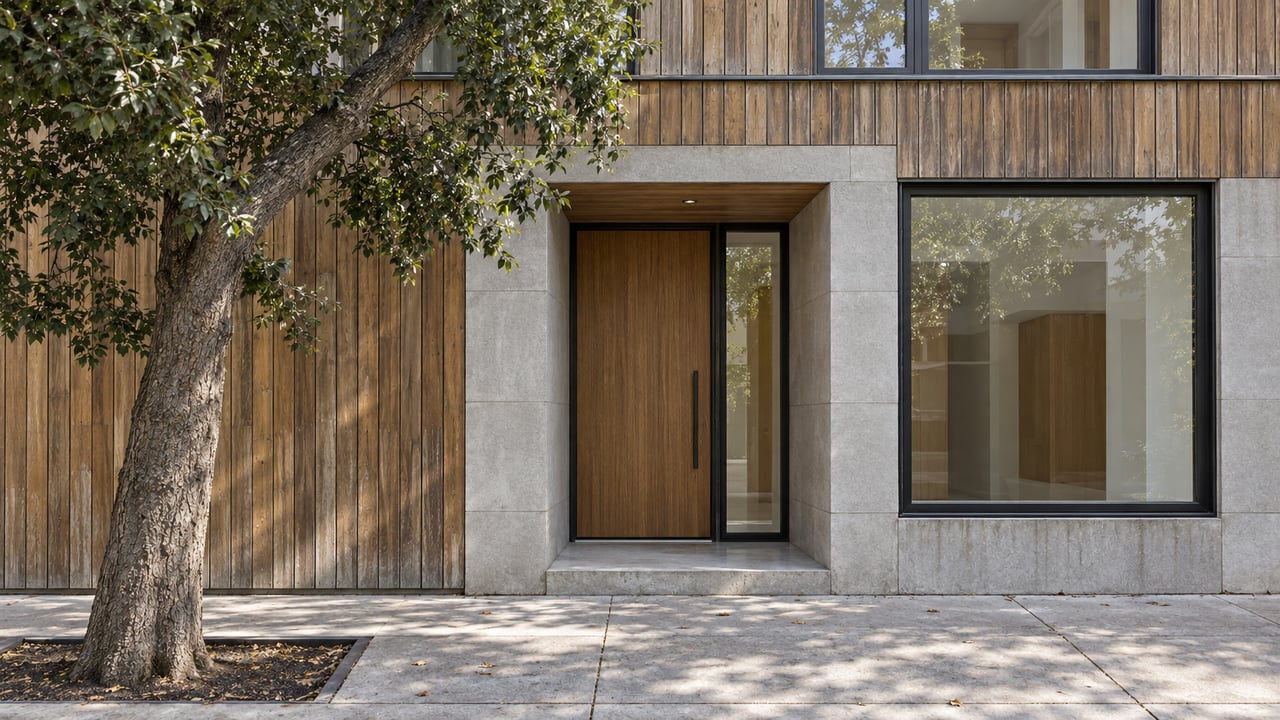
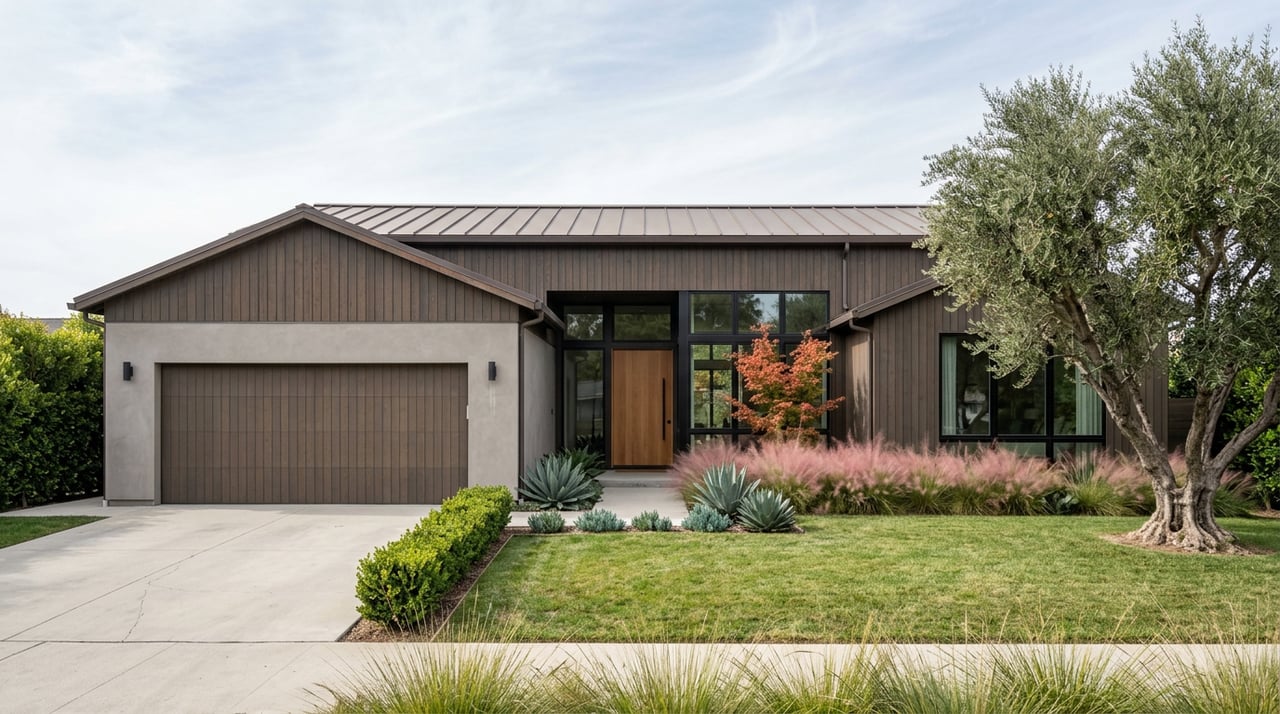
Castro Valley is an unincorporated Alameda County community with a housing pattern that reads mostly suburban and residential. County planning notes that housing is the dominant land use, and historically the area has been shaped largely by single-family detached homes.
That said, not every part of Castro Valley feels the same. Multifamily housing, townhomes, and mobile-home communities have tended to cluster closer to the central business district. In practical terms, that means you will usually find more walkable, denser pockets near downtown and around the BART corridor.
If you are comparing lifestyle options, this split matters. Some areas feel quieter and more spread out, while others make it easier to combine errands, dining, and transit in one trip.
Parks in Castro Valley
One of Castro Valley’s biggest lifestyle strengths is its access to open space. You are not limited to one neighborhood park or a single trail system. Instead, you have several regional recreation areas nearby that support everything from morning walks to full weekend outings.
For buyers who value outdoor routines, this can be a major plus. It is one thing to have a backyard. It is another to have easy access to lakes, trails, picnic areas, and swim facilities that expand how you spend your free time.
Lake Chabot Regional Park
Lake Chabot Regional Park is one of the area’s most recognizable outdoor anchors. The park centers around a 315-acre lake and includes fishing piers, hiking, biking, jogging routes, picnic areas, and seasonal boat tours.
East Bay Regional Park District also notes that the lake is stocked with trout and catfish. That gives the park appeal for both active recreation and slower-paced weekend routines. If your ideal Saturday includes a trail, a picnic, or time on the water, Lake Chabot is a strong fit.
Anthony Chabot Regional Park
Anthony Chabot Regional Park adds another layer to the outdoor lifestyle. It offers hiking, riding, and bicycling trails through grasslands and eucalyptus groves, along with access to the East Bay Skyline National Trail.
The park also connects to the Chabot-to-Garin Regional Trail. For residents who like longer trail networks instead of short loops, that kind of connection matters. It opens the door to more varied outdoor plans without needing to drive far from home.
Don Castro Recreation Area
Don Castro Regional Recreation Area sits near the Hayward and Castro Valley boundary. It includes a closed reservoir and a chlorinated swim lagoon, which makes it especially useful in warmer weather.
It also ties into the Bay Area Ridge Trail, the Chabot-to-Garin Trail, and more than five miles of Five Canyons trails. If you like having both water-based recreation and trail access in the same general area, Don Castro checks a lot of boxes.
Cull Canyon and Five Canyons
Cull Canyon Regional Recreation Area gives Castro Valley residents another swim-and-picnic option closer to home. The park includes reservable picnic sites, long park hours, and no-fee parking.
The Five Canyons Open Space trail system expands the outdoor network even further. It covers more than 300 acres and roughly five miles of trails, linking Don Castro to Garin and Dry Creek while connecting into the broader regional trail system.
Dining and Errands
When you live in Castro Valley, dining and errands are generally concentrated instead of scattered all over town. Alameda County planning identifies Castro Valley Boulevard and Redwood Road as the primary commercial frontages, with the central business district designed to support mixed uses near those corridors and transit.
That pattern makes everyday life simpler. Rather than driving long distances between basic stops, you can often cluster errands, coffee, casual meals, and grocery runs around the same core areas.
Castro Valley Marketplace
Castro Valley Marketplace is one of the clearest examples of that everyday convenience. Located at 3295 Castro Valley Boulevard, it functions as both a food hall and a community hub.
The marketplace includes independent merchants such as Akemi Sushi, Baron's Quality Meats & Seafood, Beard Papa's, Castro Valley Natural Grocery, Cordial Cellar & Lounge, La Perla, Pho 5-10, Seven Hills Baking Co., and Slice House. The site also notes free dedicated parking and proximity to Castro Valley BART, which adds to its practical appeal.
For you, that can mean an easy place to grab lunch, pick up ingredients, or meet friends without overplanning. It is the kind of spot that supports both routine errands and more social outings.
Local Standbys and Casual Spots
Castro Valley also has a mix of established local restaurants and casual everyday options. Don Jose's Mexican Restaurant has been family-owned and operating in Castro Valley since 1979, which gives it a long local presence.
Pho Play on East Castro Valley Boulevard offers pho, banh mi, rice dishes, and vegetarian options. Denica's Real Food Kitchen rounds out the daytime side of the dining scene with breakfast and lunch items like breakfast sandwiches, burritos, and lunch plates.
This is not about flashy dining districts. It is about having a useful, approachable mix of places that fit real life, whether you need a quick breakfast, a casual weeknight meal, or an easy meetup close to home.
Commute Options in Castro Valley
For many buyers, commute reality matters just as much as the house itself. Castro Valley offers a mix of rail, bus, and freeway access, which is part of why it stays appealing to people commuting across the East Bay and beyond.
The key is understanding that different travel patterns suit different parts of town. If you expect to use transit often, being closer to BART or major bus routes may shape your home search. If you drive most days, freeway access may matter more.
BART Access
Castro Valley Station sits on BART's Dublin/Pleasanton to Daly City line. The station page shows departures labeled OAK Airport, San Francisco, and Daly City, and BART notes that the station is also served by AC Transit.
That supports a practical BART-and-park-and-ride pattern for many commuters. If you work in Oakland, San Francisco, or along other connected transit corridors, Castro Valley can offer useful regional reach without needing to live in a denser urban setting.
AC Transit Connections
AC Transit Line 28 directly serves Castro Valley BART and runs between San Leandro BART and Hayward BART. Along the way, it travels via Castro Valley Boulevard, Lake Chabot Road, Redwood Road, and other local streets.
That local bus connection matters because it helps bridge the gap between residential areas, the BART station, and commercial corridors. Even if you do not use transit every day, having it available adds flexibility to how you move through the area.
Freeway Access and Traffic
For drivers, Interstate 580 is the main regional corridor through Castro Valley. County planning says it links the community with Dublin, San Ramon, Pleasanton, Livermore, Hayward, San Leandro, and Oakland.
Interstate 238 connects to Interstate 880, which runs north-south between Oakland and San Jose. That makes Castro Valley practical for a wide range of East Bay and Tri-Valley trips. At the same time, the county plan notes recurring congestion on I-580 through Castro Valley, so drive-time expectations should be realistic.
How Housing Ties Into Lifestyle
Your day-to-day experience in Castro Valley often depends on where you land within the community. County housing data says about 71.9% of the housing stock is single-family detached, while denser housing types are generally closer to the central business district.
That means your housing choice can affect how connected you feel to dining, errands, and transit. A home closer to downtown may offer easier access to BART and commercial corridors, while a more residential pocket may deliver a quieter setting and a stronger single-family feel.
Recent market data also shows meaningful variation by area. Redfin reported a March 2026 median sale price of $1.08 million for Castro Valley, while Zillow's average home value was $1,125,729 and homes were going pending in about 11 days.
Portal-defined neighborhood medians from April 2026 showed a range from about $1.09 million in West Castro Valley to about $1.45 million in East Castro Valley, with Northeast Castro Valley at about $1.18 million and Central East Castro Valley at about $1.21 million. These are directional rather than official submarket boundaries, but they do suggest an east-side premium.
Downtown Castro Valley sales help show the entry-to-mid range mix. Recent examples included a 3-bedroom, 2.5-bath home at $1.135 million, a 2-bedroom, 2-bath home at $915,000, and a 3-bedroom attached home at $685,000.
Is Castro Valley a Good Fit for You?
Castro Valley tends to work well for buyers who want a suburban residential feel without giving up regional access. You have a broad outdoor network, a concentrated set of dining and errand corridors, and commute options that include both BART and freeway connections.
The bigger question is not whether Castro Valley has a good lifestyle overall. It is which part of Castro Valley best matches how you actually live. If your priorities include trail access, a shorter BART run, easier errands, or a certain housing style, those details should guide your search.
If you are thinking about buying or selling in Castro Valley, a local strategy matters. The right block, commute pattern, and property type can affect not just price, but how well the home supports your everyday routine. If you want help comparing neighborhoods, understanding pricing, or planning the financing side clearly, reach out to Glen Dsouza.
FAQs
What is everyday life like in Castro Valley?
- Castro Valley generally feels suburban and residential, with more walkable and transit-adjacent pockets near downtown and the BART corridor.
What parks and outdoor spaces are near Castro Valley?
- Major options include Lake Chabot Regional Park, Anthony Chabot Regional Park, Don Castro Regional Recreation Area, Cull Canyon Regional Recreation Area, and the Five Canyons trail system.
What dining areas are most convenient in Castro Valley?
- Dining and errands are concentrated mainly along Castro Valley Boulevard and Redwood Road, with Castro Valley Marketplace serving as a notable food and community hub.
How do commuters get around from Castro Valley?
- Many residents use Castro Valley BART for regional access, AC Transit Line 28 for local connections, and I-580 or I-238 for driving across the East Bay and Tri-Valley.
What types of homes are common in Castro Valley?
- Single-family detached homes make up most of the housing stock, while multifamily and attached housing are generally more common closer to the central business district.
What are home prices like in Castro Valley?
- Recent data showed a March 2026 median sale price around $1.08 million, with area-level pricing varying by location and some east-side areas showing higher median prices.