If you work in the Bay Area, you have probably asked yourself a tough question: Is there a place where your budget stretches further without giving up too much on the commute? Tracy often comes up in that conversation for good reason. You can find more house for the money there, but the trade-off is real and it starts with travel time. In this guide, you’ll get a clear look at where Tracy fits for Bay Area commuters, who it tends to work best for, and what to weigh before you make a move. Let’s dive in.
Why Tracy Gets Attention
Tracy stands out as a value-driven option for buyers who want more space than they can usually get in many Bay Area markets. Current city-level data puts Tracy’s typical home value at $695,156, which is far below places like Pleasanton, Dublin, and San Ramon.
That gap is a big reason many buyers look east. Compared with Pleasanton at $1,587,789, Dublin at $1,292,044, and San Ramon at $1,522,951, Tracy can open the door to a larger home and a lower purchase price. It is also below Berkeley’s $1,482,548 and somewhat below Oakland’s $724,465.
For many households, that price difference is not just about saving money. It can mean getting the extra bedroom, loft, or multigenerational layout you have been trying to find closer to your job but have not been able to afford.
Tracy Commute Reality
The biggest thing to understand about Tracy is simple: it is a longer-commute market. Census QuickFacts lists Tracy’s mean travel time to work at 42.5 minutes, which is well above California’s statewide average of 28.7 minutes.
It is also longer than nearby Tri-Valley cities many Bay Area buyers compare it to. Pleasanton’s mean travel time is 34.3 minutes, Dublin’s is 35.9 minutes, and San Ramon’s is 34.7 minutes.
That does not mean Tracy is the wrong choice. It means you should view the lower home price and larger home size as part of a trade-off. You are often exchanging a shorter commute for more space and buying power.
Where Tracy Residents Commonly Commute
Tracy is not a niche commuter town. It is already a well-established home base for people who work outside the city. A City of Tracy workforce study using 2015 commuting data found that 84% of Tracy residents out-commute.
The city also reports that more than 70,000 North San Joaquin Valley residents commute to the Bay Area. Common destinations for Tracy residents include Livermore, Pleasanton, San Jose, Oakland, Fremont, and San Francisco.
That tells you something important. If you are considering Tracy, you would not be alone. Many households are already making a similar cost-versus-commute decision.
How ACE Fits Into the Picture
For buyers who want a transit option, ACE is the main rail-based commute choice tied to Tracy. The current ACE schedule runs Monday through Friday and serves a Stockton-to-San Jose corridor.
Stops include Tracy, Livermore, Pleasanton, Fremont, Santa Clara, and San Jose. That can be useful if your work destination lines up with that corridor or if you can reasonably connect from one of those stops.
Still, it is important to be realistic about what ACE does and does not do. It is a weekday commuter rail option, not a full all-day network, and Oakland and Berkeley are not on the official stop list.
Is Tracy a Good Fit for Oakland or Berkeley Commuters?
If you need a direct daily commute into Oakland or Berkeley, Tracy may be a tougher fit. Since Oakland and Berkeley are not official ACE stops, commuters heading there would generally still need to drive or make a transfer.
That extra layer can make a daily routine more complicated, especially if your job requires strict start times or frequent in-office days. For some buyers, that added friction outweighs the benefit of a lower purchase price.
If, however, you work hybrid or only go in a few days each week, the math can look very different. In that case, more square footage and a lower price point may be worth the longer and less direct trip.
Buyers Who Tracy Fits Best
Tracy tends to work best for a specific type of commuter household. In most cases, the strongest fit is not someone who needs the shortest possible trip every single day.
Here are the buyers Tracy often fits best:
- Hybrid workers with fewer in-office days
- Buyers focused on maximizing house size for their budget
- Move-up buyers who want 3 to 5 bedrooms or more
- Households seeking multigenerational layouts
- Commuters whose destination is along the ACE corridor, such as Livermore, Pleasanton, Fremont, Santa Clara, or San Jose
If that sounds like you, Tracy may deserve a closer look. If your top priority is minimizing daily travel time into Oakland or Berkeley, you may want to compare it carefully against locations farther west.
What Kind of Homes You’ll Find
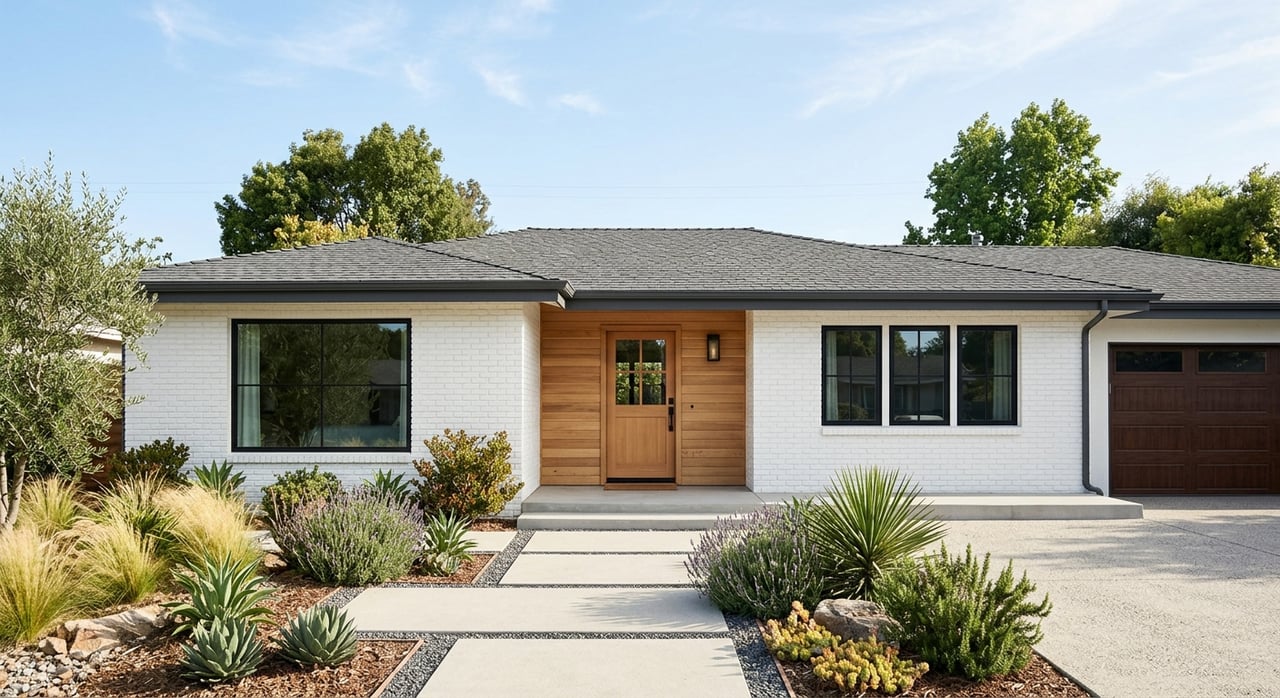
One of Tracy’s biggest draws is its newer-construction housing stock, especially in master-planned communities. The city’s newer-home story leans more toward larger detached homes than dense infill development.
At Tracy Hills, current neighborhoods include one- and two-story single-family homes ranging from about 1,945 to 4,095 square feet, with 3 to 5 bedrooms. Some neighborhoods also offer Next Gen options, along with amenities such as a residents’ club, pool, trails, and pickleball.
Ellis is another active master-planned community in Tracy. Woodside Homes neighborhoods there range from about 2,020 to 3,901 square feet, generally with 3 to 5 bedrooms, and some current pricing starts in the mid-$600,000s or low-$700,000s depending on the neighborhood.
Why Space Matters Financially
For many buyers, the appeal of Tracy is not just emotional. It is practical. When you can buy a larger home at a lower price, you may be able to solve several problems at once, like needing a home office, room for extended family, or extra flex space.
That can matter even more if you are comparing Tracy with Tri-Valley markets where similar square footage may cost dramatically more. A more affordable purchase price can also change your monthly payment picture, down payment strategy, or how much room you have left for updates and long-term goals.
This is where a finance-first approach matters. It is not only about asking whether you can buy in Tracy. It is about whether Tracy helps you buy in a way that still feels sustainable for your budget and your work life.
How Tracy Compares to Nearby Markets
Here is a simple way to think about the trade-off:
| Market | Typical Home Value | Mean Travel Time to Work |
|---|---|---|
| Tracy | $695,156 | 42.5 minutes |
| Pleasanton | $1,587,789 | 34.3 minutes |
| Dublin | $1,292,044 | 35.9 minutes |
| San Ramon | $1,522,951 | 34.7 minutes |
This comparison highlights Tracy’s core value proposition. You may pay much less for a home, but you are usually accepting more commute time in return.
There is also a pace difference in the market. Tracy homes go pending in about 23 days, compared with 17 in Pleasanton, 21 in Dublin, and 16 in San Ramon.
That slightly slower pace can give some buyers a bit more breathing room. It does not remove competition, but it may feel less intense than some nearby markets.
Questions to Ask Before You Move
Before choosing Tracy as your commuter base, ask yourself a few honest questions:
- How many days per week do you need to be in the office?
- Is your workplace along the ACE corridor or will your trip require extra driving or transfers?
- Are you moving mainly for affordability, more space, or both?
- Would a larger home improve your daily life enough to offset more travel time?
- Do you want newer construction or specific features like multigenerational space?
Your answers matter more than the headline price alone. The right fit comes from how your housing goals and commute habits work together.
The Bottom Line on Tracy
Tracy can be a smart choice for Bay Area commuters, but it is not a shortcut location. It is best understood as a long-commute, value-driven suburban market where you may gain a lot in home size and price point while giving up convenience on travel time.
For hybrid workers, move-up buyers, and households looking for newer 3 to 5 bedroom homes, Tracy can be a compelling option. For buyers who need a simple daily commute into Oakland or Berkeley, it may be less practical.
The key is to compare the full picture, not just the listing price. When you look at commute patterns, transit options, home size, and monthly budget together, you can make a decision that feels smart now and workable long term.
If you are weighing Tracy against Tri-Valley or East Bay options, Glen Dsouza can help you compare commute trade-offs, home values, and financing scenarios so you can choose with confidence.
FAQs
Is Tracy affordable compared with Tri-Valley cities?
- Tracy’s typical home value is $695,156, compared with $1,587,789 in Pleasanton, $1,292,044 in Dublin, and $1,522,951 in San Ramon.
Is Tracy a good choice for Oakland commuters?
- Tracy may be less convenient for daily Oakland commuters because Oakland is not on the official ACE stop list, so many commuters would still need to drive or transfer.
Is Tracy a good choice for Berkeley commuters?
- Tracy is usually a tougher fit for direct daily Berkeley commutes because Berkeley is not on the official ACE stop list and the trip generally requires additional connections or driving.
What type of homes are common in Tracy?
- Tracy is known for newer, larger detached homes, including many 3 to 5 bedroom options in communities like Tracy Hills and Ellis.
Does Tracy work better for hybrid workers?
- Yes, Tracy tends to be a stronger fit for buyers with fewer in-office days because the longer commute is often easier to manage on a hybrid schedule.
How fast do homes sell in Tracy?
- Tracy homes go pending in about 23 days, which is somewhat slower than nearby markets like Pleasanton, Dublin, and San Ramon.