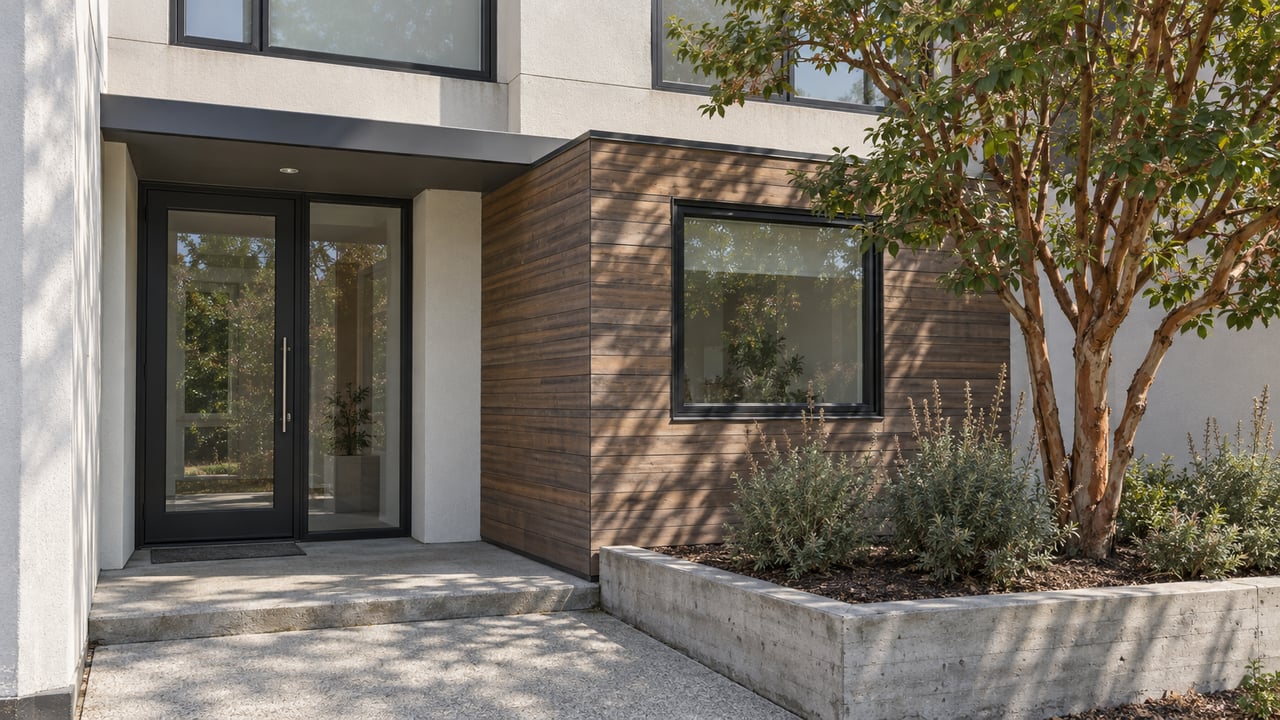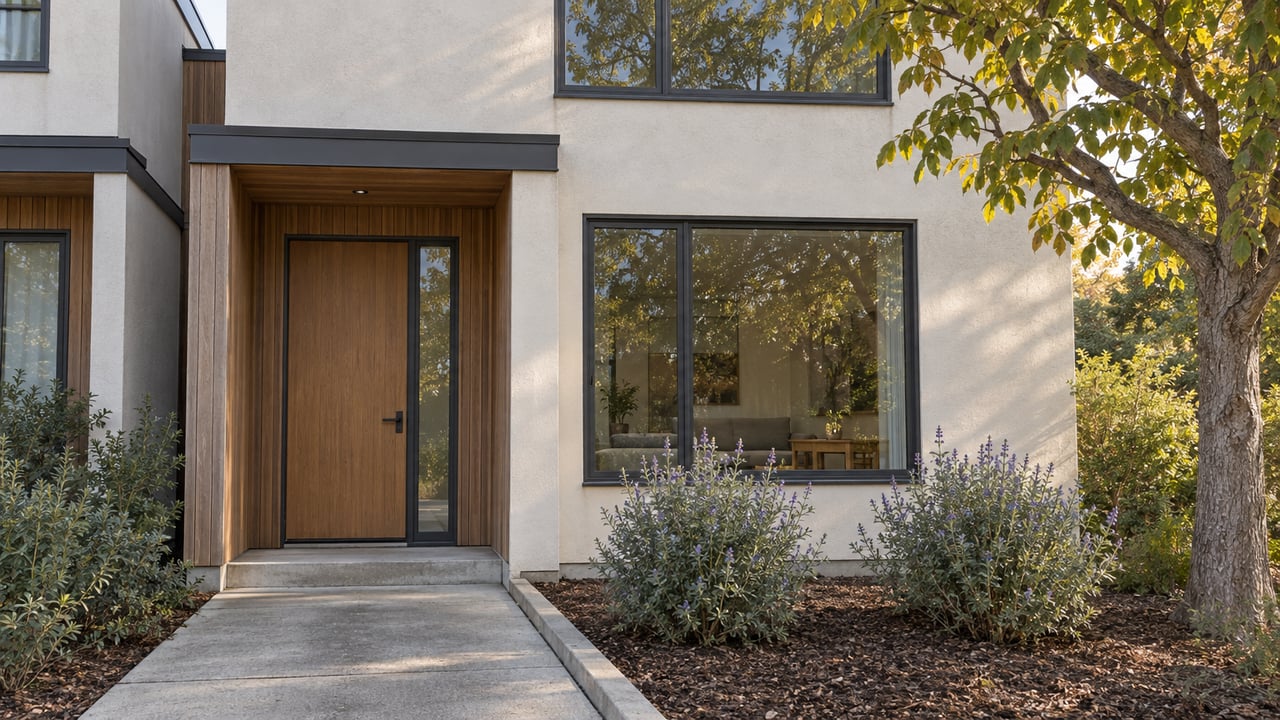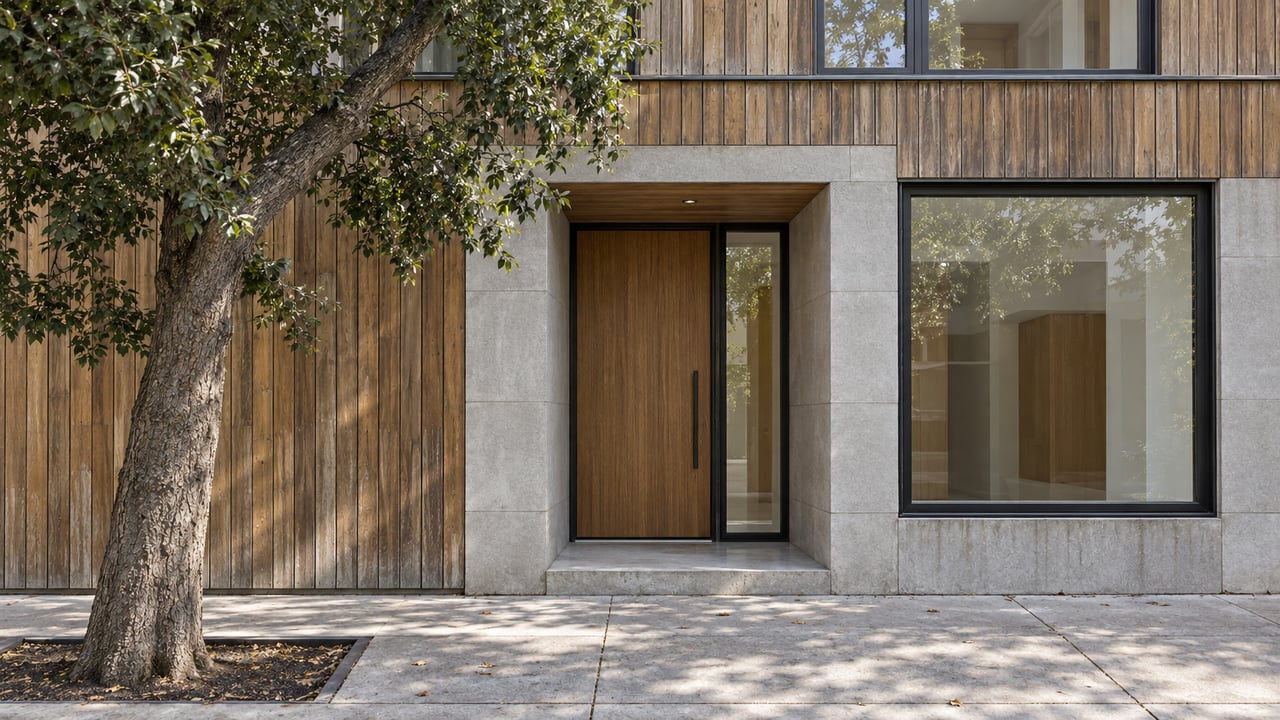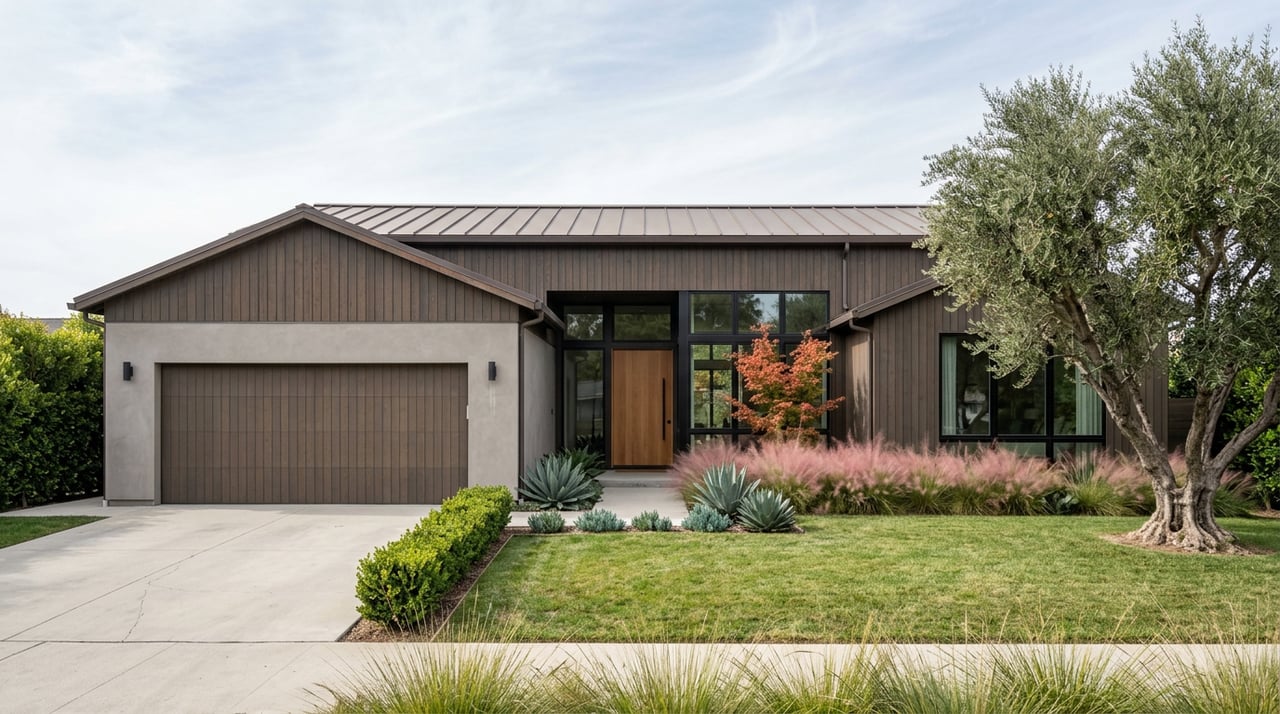
Is that sparkling new model home calling your name, or does a well‑kept resale in a mature neighborhood feel wiser? If you are eyeing Tracy while working in the Oakland‑Hayward‑Berkeley area, you are likely weighing price, commute, and long‑term costs. You want a home that fits your life today and your budget tomorrow, without surprises. In this guide, you will learn how new construction and resale homes in Tracy compare on real monthly costs, inspections, warranties, contract protections, and commute tradeoffs. Let’s dive in.
New construction basics in Tracy
New subdivisions around Tracy often feature modern floor plans, energy‑efficient systems, and community amenities like parks and trails. The process usually runs from reserving a lot, to choosing a model and options, through construction, a final walkthrough, and then a warranty period. Many builders offer customer incentives, and those can lower your upfront costs when used wisely.
One key theme with new builds is that the base price is just the beginning. Most buyers add options like flooring, counters, appliances, and window coverings that increase the total price. Be sure to evaluate the effective price with upgrades included, not just the advertised base.
What you pay on a new build
- Base price plus paid options and upgrades that raise the total.
- Builder incentives that can include closing cost credits, interest rate buydowns, or upgrade allowances.
- Potential HOA dues for amenities and common area care in newer communities.
- Possible Mello‑Roos or Community Facilities District assessments that add to the standard 1 percent Proposition 13 property tax. Always confirm the specific amount and remaining term for the lot you select.
Warranties and inspections on new homes
Most builders provide written warranties with defined terms. It is common to see a one‑year workmanship warranty, limited coverage for major systems for a set period, and a longer structural warranty. Warranties are helpful, but they are not a substitute for your own inspections.
Recommended approach:
- Schedule independent inspections at two points when allowed: pre‑drywall framing and the final walkthrough.
- Add a termite or pest inspection where appropriate, plus third‑party checks for systems like HVAC.
- Keep a punch list and track the builder’s repair timelines and claim rules.
Builder contracts and protections
Builder contracts usually favor the builder. Expect staged deposit schedules, stricter deadlines for selections, and shorter contingency windows than a typical resale. Protect yourself by getting a written completion timeline, clear inspection access, and specific remedies for delays.
Smart safeguards include:
- Defined inspection windows and the right for independent inspectors to access the home at framing and final.
- Written disclosure of HOA budgets and any Mello‑Roos or CFD assessments before you sign.
- Incentives structured as credits at closing or interest rate buydowns rather than only cosmetic upgrades.
- Clarity on deposit refund rules and what happens if the appraisal or financing does not line up.
Resale basics in Tracy
Resale homes in Tracy span many neighborhoods and styles. You may gain more flexibility on price and contingencies, plus the option to move in sooner once you close. The tradeoff is that older systems can require repairs or upgrades sooner.
You can often negotiate on price, repairs, or closing costs depending on market conditions and how long the home has been on the market. Your effective cost should account for any upgrades you plan to make in the first year.
What you pay on a resale
- Purchase price that can be negotiable based on condition and comparable sales.
- Immediate repairs or updates such as roof, HVAC, electrical, or cosmetic work.
- Typically fewer recurring fees if the neighborhood does not include a large HOA or special assessments.
Inspections to prioritize on resales
Standard due diligence usually includes a general home inspection, termite or pest inspection, and targeted checks like roof, HVAC, sewer lateral where applicable, and foundation or structural review if there are signs of movement. Older homes can include materials or systems that need careful review, such as pre‑1978 paint, certain insulation or flooring materials, or outdated wiring and plumbing.
Negotiation flexibility with resales
Sellers often accept offers with standard contingencies for inspection, appraisal, and financing. You can request credits for repairs or a price reduction if issues arise. If work cannot be completed before closing, you can negotiate an escrow holdback so funds are available to finish specific repairs after you own the home.
Monthly cost reality: line by line
To compare new and resale options fairly, build a full monthly budget for each property. Include:
- Mortgage principal and interest based on your loan.
- Property taxes plus any Mello‑Roos or CFD assessments listed for that lot or subdivision.
- Homeowner’s insurance.
- HOA dues if the property is in a community association.
- Utilities and an allowance for maintenance and repairs.
- Commute costs, including fuel, tolls, parking, and vehicle wear.
Project five years out. For new homes, plan for potential HOA increases and punch list follow‑ups. For resales, budget for expected replacements like roof, water heater, or HVAC based on remaining life.
HOA and Mello‑Roos at a glance
Many new Tracy communities have mandatory HOAs that cover amenities and common areas. Dues vary by the level of service and the community’s budget. Newer subdivisions in California often include Mello‑Roos or CFD assessments that are charged in addition to the county’s standard 1 percent property tax. Terms vary, and some assessments decline over time while others are fixed.
Action steps for buyers:
- Ask for the Public Report, HOA budget, and the Mello‑Roos or CFD disclosure early.
- Build review time into your contingencies so you can understand the full monthly cost.
- Confirm any restrictions in the CC&Rs that affect your plans for parking, exterior changes, or renting.
Commute tradeoffs for East Bay jobs
Tracy sits at the east end of the I‑580 corridor, serving many commuters to the Oakland‑Hayward‑Berkeley region and beyond. Peak‑hour congestion can be unpredictable through I‑205, I‑580, and I‑5. Some buyers consider rail service on the Altamont Corridor Express, and others are watching future connections planned through the Valley Link project. Schedules and timelines change, so verify details before you rely on a specific route.
When you compare homes, include your commute in the math:
- Estimate monthly fuel, tolls, parking, and potential express lane costs.
- Consider the time value of your commute hours each week.
- If you plan to use rail, confirm station access, parking, and first‑mile or last‑mile options.
This exercise helps weigh the lower price per square foot in Tracy against the time and cost of getting to work in the East Bay.
Side‑by‑side: when each makes sense
Choose new construction if you want:
- Modern systems, energy efficiency, and community amenities.
- Lower immediate maintenance and a defined warranty period.
- The ability to personalize with selections and upgrades.
Choose resale if you want:
- A chance to negotiate price, credits, or closing costs.
- An established neighborhood with mature surroundings.
- Immediate occupancy and clearer comparable sales for appraisal.
Both paths can be smart. The better choice is the one that fits your total monthly budget, your commute, and your tolerance for construction activity or near‑term repairs.
A simple decision framework
Use this checklist to compare a new build and a resale side by side:
- Set a monthly cap. Include mortgage, taxes, insurance, HOA, Mello‑Roos if any, utilities, maintenance, and commute.
- Calculate effective price per square foot. For new builds, include paid upgrades. For resales, include planned repairs.
- Build a five‑year projection. Note likely replacements, HOA increases, and warranty coverage limits.
- Evaluate commute scenarios. Model both drive and rail options to the East Bay.
- Map inspections. For new builds, plan staged inspections. For resales, plan general, pest, and specialized checks.
- Lock your contract strategy. Keep inspection and appraisal contingencies, and define deposit refund rules clearly.
How Glen strengthens your position
With a finance‑first background, Glen helps you structure the deal and the loan side in your favor.
For new construction, Glen will:
- Press for incentives that improve your financing, like closing cost credits or rate buydowns, rather than only cosmetic upgrades that inflate price.
- Limit non‑refundable deposits where possible and stage deposits later in the build.
- Secure inspection access at framing and final, and set punch list deadlines with remedies if items lag.
- Obtain and review the HOA budget and Mello‑Roos disclosure before you commit, so your monthly cost is clear.
- Align your lender preapproval and timing with the builder’s milestones to reduce last‑minute surprises.
For resales, Glen will:
- Use standard inspection, appraisal, and financing contingencies and tailor timelines to your risk comfort.
- Leverage inspection findings and comparable sales to negotiate credits or price adjustments.
- Arrange escrow holdbacks for major repairs that cannot be completed before closing when appropriate.
Across both paths, Glen’s role is to reduce financing friction, protect your contingencies, and help you make a financially sound choice with fewer surprises.
Next steps
If you are deciding between a new build and a resale in Tracy, start with a side‑by‑side cost and commute model. Then tour a few representative new communities and resales to get a feel for timelines, incentives, and condition. When you are ready, schedule a free strategy call. We will review your budget, map inspections and contingencies, and outline the negotiation approach that protects you.
Ready to compare properties and build a clear plan? Connect with Glen Dsouza to schedule a free consultation.
FAQs
Are new homes cheaper to own long term in Tracy?
- New builds can reduce near‑term maintenance and energy costs, but HOA dues, Mello‑Roos assessments, and paid upgrades can offset savings, so model both monthly and five‑year costs.
Can you negotiate with home builders in Tracy?
- Yes, usually on incentives like closing cost credits, interest rate buydowns, and sometimes upgrades, while base price movement is more limited.
Do I need a home inspection on a new construction home?
- Yes, schedule independent inspections at pre‑drywall and final, add pest and system checks, and track punch list items and warranty timelines.
How big are Mello‑Roos taxes in new Tracy communities?
- Amounts and terms vary by subdivision and lot, so request the specific CFD or Mello‑Roos disclosure early and include time to review it in your contingencies.
What inspections should I get on a resale in Tracy?
- Plan a general home inspection, termite or pest inspection, plus roof, HVAC, sewer lateral if required, and structural or foundation checks when conditions warrant.
How does commuting to the Oakland‑Hayward‑Berkeley area affect budget?
- Include fuel, tolls, parking, and time when modeling costs, and if you plan to use rail verify schedules, station access, and first or last mile logistics.
Is it smart to waive contingencies to win a home in Tracy?
- No, keep inspection and appraisal contingencies to protect yourself, and tailor timelines and credits rather than removing key protections.