Curious what day-to-day life actually feels like in Pleasanton? If you want more space, a friendly downtown, and good Bay Area access, this Tri-Valley city might be on your shortlist. In this guide, you’ll see how Pleasanton stacks up on neighborhoods, housing costs, commutes, parks, schools, and lifestyle tradeoffs. Let’s dive in.
Pleasanton at a glance
Pleasanton sits in Alameda County’s Tri-Valley, alongside Dublin and Livermore. With a population around 80,000, it offers a suburban feel, a preserved historic downtown, and quick access to regional parks and Livermore Valley wine country. Many residents choose Pleasanton for its community amenities, parks, and strong local schools relative to state averages.
You’ll notice a slower pace than core East Bay cities, with a focus on family-friendly activities and outdoor access. Housing costs trend higher than many inland suburbs, reflecting demand for schools, downtown amenities, and commutability to major job centers.
Neighborhoods and housing options
Pleasanton offers a mix of historic homes, mid-century suburbs, master-planned communities, and low-maintenance townhomes and condos. Lot sizes and architectural styles vary by area.
Downtown and Old Town homes
The historic core near Main Street features Craftsman and Victorian-era homes on smaller lots. You can walk to boutiques, cafés, the farmers’ market, and seasonal events. This area is popular if you value character and convenience over larger lot sizes.
Suburban single-family choices
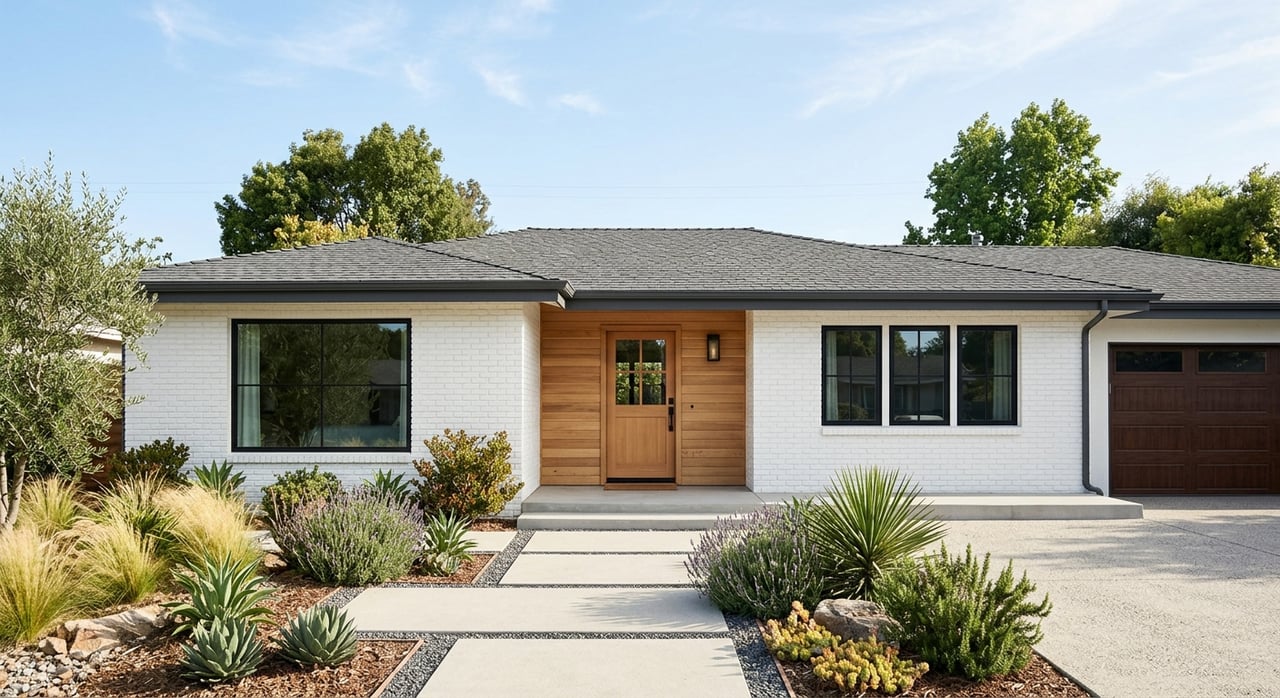
Across Pleasanton you’ll find ranch and California contemporary homes built from the 1960s onward. Many have been updated over time. Neighborhood feel can differ between the east and west sides, so it helps to tour at different times of day.
Newer master-planned communities
Developments from the 1990s through the 2010s add modern layouts, cul-de-sacs, and neighborhood parks. Some include HOA amenities that simplify upkeep. These areas appeal if you want newer construction and cohesive neighborhood design.
Townhomes and condos
Clusters near shopping corridors and transit nodes provide lower-maintenance living. These homes can offer a more affordable entry point into Pleasanton compared with detached homes. Proximity to downtown and BART-area access can influence prices.
Semi-rural and hilltop homes
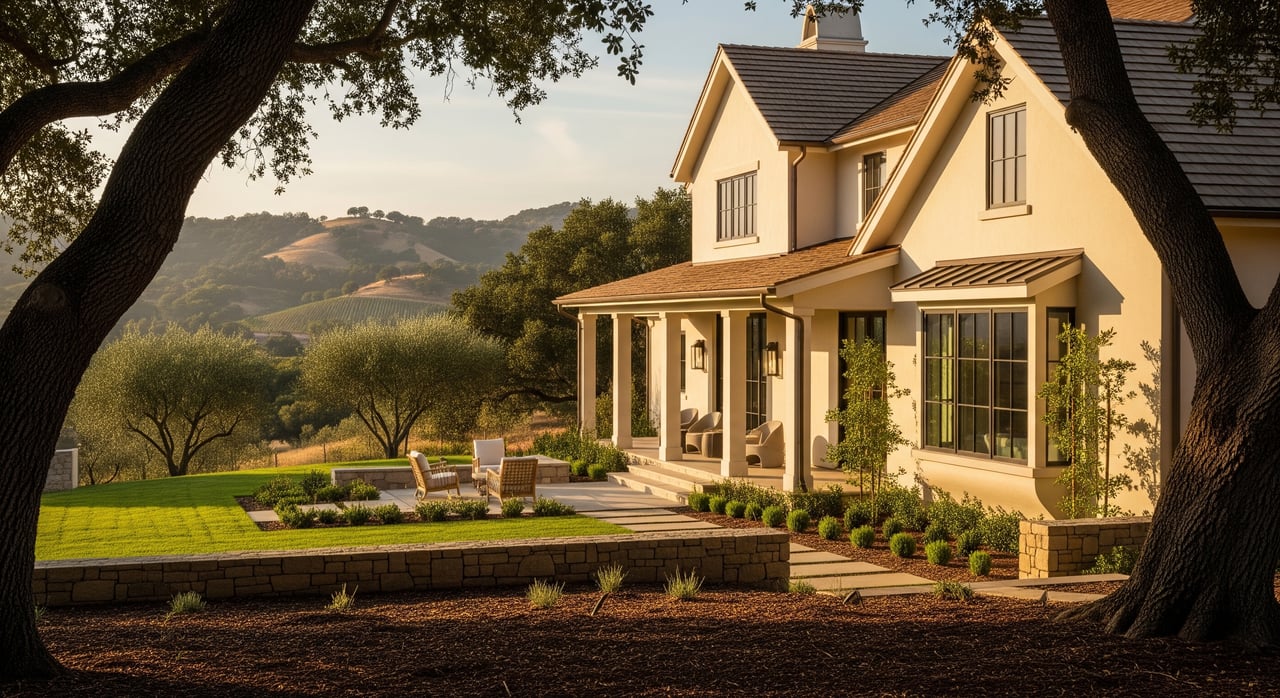
On Pleasanton Ridge and nearby foothills you’ll find larger lots and view properties. These homes are lower density and often trade at a premium per square foot. If privacy and open space are priorities, this niche is worth a look.
Price ranges and value drivers
As a general rule in the 2023–2024 market:
- Single-family homes commonly start in the low-to-mid $1M range for smaller or older properties. Many updated, mid-size homes fall around $1.3M to $2M. Premium locations and fully renovated homes often exceed $2M.
- Townhomes and condos often range from roughly $600,000 to around $1M, depending on size, age, and location.
What drives value:
- Proximity to downtown amenities and schools
- Lot size, yard usability, and renovation level
- Views and trail access near Pleasanton Ridge
- Noise and access relative to major roads or transit
Bay Area markets shift quickly. If you’re evaluating a purchase or sale, plan to review current MLS data and recent comparables to confirm pricing in your specific micro-market.
Commute and transportation
Pleasanton’s commute mix includes driving, BART connections, local buses, and evolving commuter rail options.
Highways and drive times
The city sits near the I-580 and I-680 interchange, which connects the Tri-Valley with the East Bay, Silicon Valley, and Central Valley job centers. Off-peak, you can often reach downtown Oakland in roughly 25 to 45 minutes by car. Peak congestion on I-580 and I-680 can add significant time, so many residents plan around traffic windows or hybrid work schedules.
BART and local buses
The Dublin/Pleasanton BART station near the city border is the primary rapid transit link to San Francisco and parts of the East Bay. Many Pleasanton residents drive, rideshare, or use feeder buses to reach the station. LAVTA Wheels provides Tri-Valley routes that connect neighborhoods with BART, shopping areas, and employment zones.
ACE and Valley Link updates
ACE commuter rail serves parts of the Tri-Valley and connects to Silicon Valley and Central Valley job centers. Valley Link is a planned rail project designed to create an additional east-west connection that ties Tri-Valley communities to BART. Timelines and station details have been evolving, so it is smart to check current project updates as you plan long-term commutes.
Carpool, express lanes, and park-and-ride
Residents often use express lanes along I-580 and I-680, park-and-ride lots, and carpool networks to make rush-hour driving more predictable. If you plan to drive regularly, budget for variable travel times and identify backup routes.
Parks and outdoor recreation
Outdoor access is a core Pleasanton perk. You’ll have miles of trails, regional parks, and community spaces nearby.
Pleasanton Ridge and Shadow Cliffs
Pleasanton Ridge Regional Park offers panoramic views, hiking, trail running, and mountain biking close to home. Shadow Cliffs Regional Recreation Area features a lake, seasonal swim areas, and picnic sites. Always check seasonal access and safety guidelines before you go.
Alameda County Fairgrounds and events
The Alameda County Fairgrounds host the annual fair plus year-round community events. From festival weekends to farmers’ markets, it is a central gathering place for the Tri-Valley.
Wine country and weekend fun
Livermore Valley wine country sits a short drive away. You can spend weekends exploring tasting rooms, winery events, and scenic routes through rolling hills. This adds a unique local twist to dining and social plans.
Golf courses and longer hikes
Pleasanton and nearby cities offer public and private golf options, plus extensive trail networks across the East Bay hills. Del Valle Regional Park and other large open spaces lie within a 20 to 40 minute drive for boating, camping, and extended hikes.
Downtown, dining, and retail
Pleasanton’s downtown centers on historic Main Street and balances local charm with practical amenities.
Main Street scene
Downtown is walkable and lively during the day and early evenings. You’ll find boutiques, cafés, neighborhood restaurants, and wine bars, along with seasonal street events and the weekly farmers’ market. The vibe skews relaxed and community-oriented rather than late-night.
Retail hubs and business parks
For larger shopping trips, Stoneridge Shopping Center and nearby retail corridors cover daily needs and national brands. The Hacienda and business park areas anchor significant office and employment space in the Tri-Valley, adding weekday activity and services.
Community life and events
Seasonal parades, small music and arts events, and civic activities help set a steady community rhythm. Libraries, community centers, and youth sports programs round out the calendar for households who prefer close-to-home activities.
Schools and practical amenities
Families often cite schools and everyday services as key Pleasanton strengths.
Public and private school options
Pleasanton Unified School District serves most local neighborhoods with multiple elementary and middle schools and two comprehensive public high schools commonly referenced by residents. The district is known for strong academic programs and extracurriculars relative to state averages. School boundaries and performance metrics can change, so verify attendance zones and current data before you buy.
Healthcare and medical services
The Tri-Valley includes a local hospital campus operated under Stanford Health Care branding, plus urgent care clinics and multi-specialty practices. Major Bay Area hospitals are a drive away. Many households appreciate the balance of convenient local care with proximity to larger medical centers.
Libraries, childcare, and public safety
Pleasanton maintains an active library system, community centers, and established youth sports leagues. Childcare and preschool options are broad but competitive, similar to other Bay Area cities. Public safety is a civic priority, and crime rates are generally lower than in many larger East Bay cities, though they vary by neighborhood.
Lifestyle fit and tradeoffs
A good fit depends on your priorities. Here is how Pleasanton typically aligns with different goals.
Who Pleasanton fits
- Families who want suburban yards, park access, and a community-focused downtown
- Bay Area professionals who want a quieter home base with BART and highway access
- Outdoor enthusiasts who value regional parks, ridge trails, and nearby wineries
What to weigh before moving
- Commute tradeoffs. Driving is common, and traffic along I-580 and I-680 can be heavy at peak times. BART access usually requires a short drive or bus ride.
- Cost of living. Housing, childcare, and services trend high compared with national averages and many inland suburbs. Expect competition for well-priced homes in popular school areas.
- Nightlife expectations. Pleasanton offers a relaxed, small-city social scene. If you want late-night arts and entertainment every week, you may still spend evenings in Oakland or San Francisco.
Smart next steps
If Pleasanton is on your shortlist, set up a plan that aligns lifestyle with budget.
- Clarify budget and payments. Model monthly payments and down payment options alongside taxes, insurance, and HOA dues where relevant. Consider rate scenarios to understand your comfort zone.
- Get pre-approved. A strong pre-approval helps you act quickly when the right home hits the market. It also clarifies price bands and allows you to target neighborhoods confidently.
- Tour micro-markets. Compare downtown-adjacent streets, mid-century tracts, and master-planned communities. Look at lot sizes, renovation levels, and commute routes at your typical travel times.
- Plan for value-add. If you are open to light renovations, estimate costs and after-renovation value. This can expand your options and improve long-term equity.
- Watch inventory and timing. The Tri-Valley market can move fast when rates shift or inventory tightens. Track new listings and recent sales to stay ahead of changes.
If you want a finance-first game plan for Pleasanton, connect with a local advisor who pairs mortgage know-how with neighborhood expertise. You can get help with buyer strategy, off-market opportunities, valuations, and renovation budgeting from Glen Dsouza.
FAQs
How much do homes in Pleasanton cost?
- As a general 2023–2024 guide, many single-family homes start in the low-to-mid $1M range, with mid-size updated homes around $1.3M to $2M and premium homes often above $2M.
What are Pleasanton commute options to SF and Silicon Valley?
- Most residents drive to I-580 and I-680 or connect to BART at Dublin/Pleasanton, with local buses and ACE commuter rail as additional options.
Is downtown Pleasanton walkable and active?
- Yes, Main Street offers boutiques, cafés, neighborhood restaurants, wine bars, and seasonal events, with a relaxed, community-oriented pace.
What schools serve Pleasanton neighborhoods?
- Pleasanton Unified School District operates multiple elementary and middle schools and two comprehensive public high schools, with private options in the wider Tri-Valley.
What outdoor recreation is near Pleasanton?
- Pleasanton Ridge and Shadow Cliffs are close by, and Livermore Valley wine country, golf courses, and East Bay regional parks offer varied weekend activities.