Want a shorter, smoother commute without giving up the East Bay lifestyle? If you work in Oakland or San Francisco, Castro Valley gives you a single, centrally located BART station that can make daily travel simpler. The key is choosing the right neighborhood for your commute, your housing needs, and your budget. In this guide, you’ll compare walkable, short‑drive, and hillside options, understand typical housing types, and get a practical tour checklist to use with your agent. Let’s dive in.
Why BART access matters
Castro Valley has one BART station near the main commercial corridor along Castro Valley Boulevard. For many residents, that is the primary rail link to jobs and entertainment across the Bay. Typical rail times range from roughly 15 to 25 minutes to downtown Oakland and about 35 to 55 minutes to downtown San Francisco, depending on train patterns and time of day.
Local connections matter too. AC Transit provides feeder routes and local service that help with first and last mile travel. Many residents also rely on a short drive, bike ride, or ride‑hail to reach the station. Parking is available at the station, but lots can fill during peak commute hours, so timing and alternatives are important.
Walkable to Castro Valley BART
The most walkable pocket sits along Castro Valley Boulevard and the surrounding downtown blocks. You’ll find restaurants, grocery stores, the library, pharmacies, and everyday services in a compact area. If you value a simple, car‑light routine, this zone offers the most direct BART access.
What you can expect
- Small‑lot single‑family homes, many in ranch or cottage styles.
- Townhomes, condos, and some low‑rise multifamily buildings.
- A lively commercial corridor with convenient errands and dining.
- Trade‑offs: smaller lots and more activity near the main street.
Commute snapshot
- Walk time is often within 20 minutes, depending on your exact block and elevation.
- Biking can be a fast option; check local bike routes and rack availability.
- If you plan to drive to the station, arrive early during peak hours to improve parking odds.
Smart touring tips downtown
- Time the exact walk from the front door to the station, including crossings and lights.
- Note crosswalks, sidewalk continuity, and any hills that could affect your daily routine.
- Check on‑street parking rules and whether your block has restrictions.
- Observe daytime and evening activity near the commercial strip to gauge noise and foot traffic.
Short‑drive or short‑bus neighborhoods
Just beyond the downtown blocks, you’ll find flat or gently sloped neighborhoods north and south of the central corridor. These areas typically sit 5 to 12 minutes by car from the station, and some have AC Transit options nearby. They offer a balance of larger homes and yards while keeping BART access practical.
What you can expect
- Mid‑century homes from the 1940s to 1970s, including ranches and split‑levels.
- Updated remodels and occasional newer townhome clusters near main roads.
- Modest to medium lot sizes that suit buyers who want more space than downtown.
Commute snapshot
- Plan a test drive to the station during your preferred commute window.
- If you rely on station parking, confirm timing, rules, and costs before you commit.
- Some routes may include a short bus connection; check frequency for early or late shifts.
Touring tips in these areas
- Drive the route to BART on a weekday morning to confirm real travel time.
- Scout multiple parking options, including drop‑off areas if lots are full.
- For townhomes or condos, review HOA rules for parking, pets, and any rental policy.
Hillside and eastern pockets
Higher‑elevation neighborhoods east of the central valley, including Palomares Hills and Lake Chabot‑adjacent areas, deliver larger lots, privacy, and views. Streets can be steeper, and the drive to BART is longer, but many buyers value the quieter setting and yard space.
What you can expect
- Mid‑century ranches, custom homes, and properties with unique layouts.
- Bigger lots, often over 10,000 square feet, and more separation between homes.
- A more serene feel, sometimes with scenic outlooks.
Commute snapshot
- Expect a longer drive to BART compared with downtown and flat neighborhoods.
- Consider alternatives like rideshare for tight schedules or if parking is limited.
- Weekend or off‑peak schedules can differ; plan transfers if you go to San Francisco.
Touring tips in the hills
- Evaluate access and street grades, especially for early morning or late evening trips.
- Look at drainage, retaining walls, and slope conditions during your walkthrough.
- Ask about wildfire defensible‑space needs and related maintenance.
Housing styles and budget basics
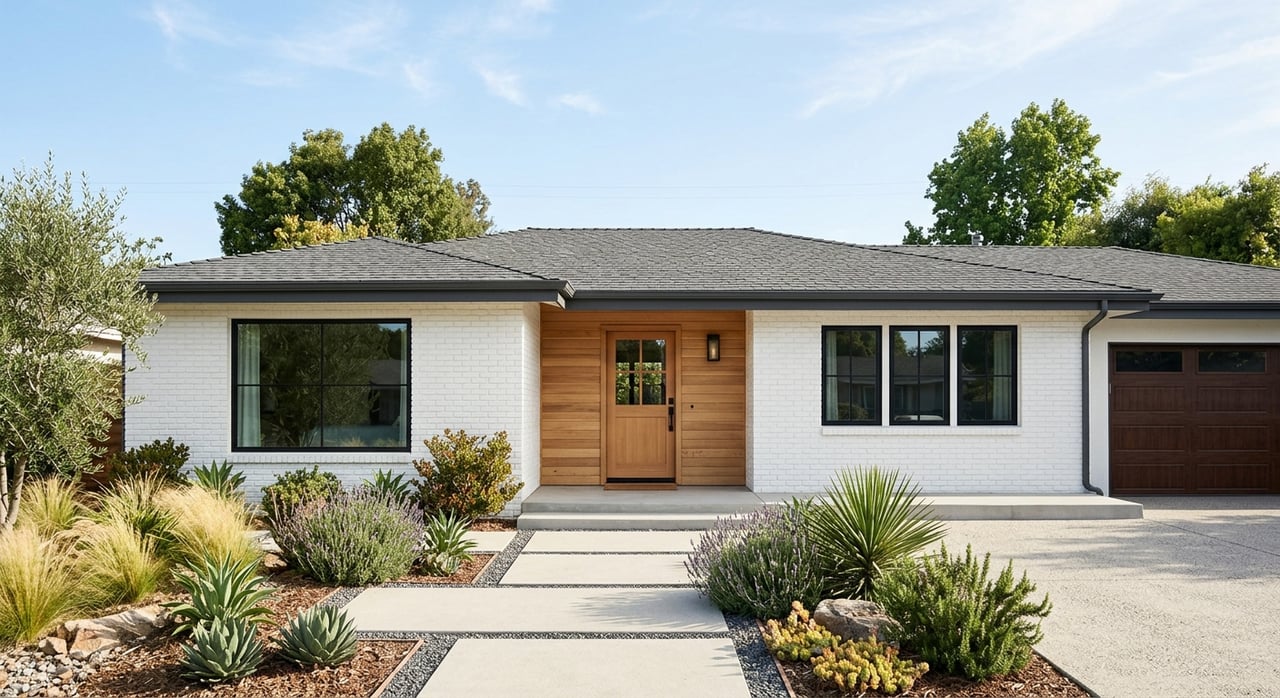
Across Castro Valley, you’ll see many single‑story ranch homes from the 1950s to 1970s, plus split‑levels and mid‑century designs. Contemporary remodels are common, especially in kitchens and baths. Downtown and near‑BART areas also include townhomes, condos, and small multifamily buildings.
Lot sizes vary by area. Downtown and flat neighborhoods tend to have smaller lots, often under 7,000 to 8,000 square feet. Hillside homes can sit on larger parcels, sometimes exceeding 10,000 square feet.
As a general pattern, condos and townhomes near BART are often the most affordable ownership entry point. Single‑family prices vary widely based on proximity to BART, lot size, condition, and views. Walkable locations usually carry a premium for convenience, while hillside homes with views may command a separate premium. For current pricing and inventory, review live MLS data with your agent.
Planning your door‑to‑door commute
Your daily routine depends on more than rail time. Build a full door‑to‑door plan before you buy. Measure walk or drive time to BART at your actual commute hour, factor in parking or bus connections, and check train patterns for your exact destination.
During peak hours, trains to Oakland are typically direct and fairly quick. Travel to San Francisco may require a transfer depending on schedule and line. Expect more frequent service at rush hour and possible transfers or longer waits off‑peak. Always confirm weekend or holiday changes if you work non‑standard hours.
If your timing is tight, have a backup. Consider a drop‑off plan, rideshare, or driving on days when BART service is reduced. A flexible strategy can save you stress when the schedule shifts.
Schools and daily life
Most of Castro Valley is served by Castro Valley Unified School District. Attendance areas and assignments can vary by address, so verify boundary maps and the most current information directly with the district. For daily life, downtown offers quick access to groceries, services, and dining, while hillside pockets trade convenience for yard space and quieter streets.
Outdoor time is easy to find. Proximity to parks and open space, including the Lake Chabot area, is a plus for many residents. If trails and nature are important to you, include those stops in your tour.
On‑the‑ground checklist for your tour
Use this quick list to compare neighborhoods and specific homes:
- Time the walk or drive to BART at your target commute hour.
- Photograph the door‑to‑station route, including crosswalks and signals.
- Spot the nearest bus stops and check posted schedules.
- Note on‑street parking rules and any residential restrictions.
- Confirm station parking feasibility for your usual arrival time.
- Test mobile and internet connectivity at the property.
- Inspect drainage, retaining walls, and any visible slope conditions on hillside lots.
- Review HOA rules, dues, parking, pet, and rental policies for condos or townhomes.
- Observe day and evening activity, lighting, and foot traffic on the block.
- Map your walk to groceries, pharmacy, and parks to see how daily life flows.
The bottom line
- Choose downtown if you want the simplest walk to BART and daily conveniences, and you are comfortable with smaller lots.
- Pick a short‑drive area if you want more space while keeping the station within easy reach.
- Go hillside if you value privacy, views, and larger lots, and you are fine with a longer station drive.
If you want help matching your commute, housing needs, and budget, let’s build a custom shortlist and test the door‑to‑door routine together. For a consult and local guidance that blends finance and neighborhood insight, connect with Glen Dsouza.
FAQs
How long is the BART ride from Castro Valley to downtown San Francisco?
- Rail time typically ranges from roughly 35 to 55 minutes depending on the train, transfers, and time of day.
Is it realistic to walk to Castro Valley BART from most homes?
- Some central downtown blocks are walkable, but many neighborhoods require a short drive or bike ride; hillsides are generally less walkable due to distance and elevation.
Will I find parking at the Castro Valley BART station during rush hour?
- Parking exists but can be limited at peak times, so many commuters arrive early, use drop‑off, bike, or take a feeder bus.
What neighborhoods work best for families who want more yard space?
- Hillside and some flat short‑drive areas often offer larger lots and quieter streets; verify lot size, yard usability, and commute trade‑offs with your agent.
Are there noise concerns near the station or tracks?
- Noise is usually most noticeable very close to the tracks or station; evaluate the block during daytime and evening to understand typical activity.