What makes one Lafayette home sell in a week over asking while another lingers? If you are buying or selling here, you feel the stakes. Prices are high, timelines move fast, and small details can change outcomes. In this guide, you will learn the real levers behind Lafayette pricing today and how to use them to your advantage. Let’s dive in.
The numbers right now
Lafayette sits at a premium price point with quick-moving listings. Recent snapshots show a median closed sale around $2.06M in February 2026, a price per square foot near $900, a sale-to-list ratio around 104%, and short median days on market near 10 to 12 for competitive homes. Other providers show slightly different reads: a typical home value near $1.88M, a median list price near $1.94M, and a median days-to-pending close to 16 days. A January 2026 summary also showed a median price near $1.997M, roughly 70 to 80 active listings, and some months with sales below list.
Why sources differ
Market sites use different inputs and methods. Some focus on closed MLS sales, others model values from estimates, and others report on active listings. Timing, the mix of home types, and whether stats use sold data or list data can all shift the headline. This is why you often see slightly different numbers in the same month.
What that means for you
Use closed-sale comps for pricing decisions and negotiation. Active-list data is useful for trend context and buyer competition, but it is not the same as what buyers actually paid. If you need a precise valuation or offer plan, draw on recent, similar closed sales and adjust for location, features, and condition.
Location and micro-market drivers
Schools and boundaries
The Acalanes Union High School District, and Acalanes High in Lafayette, are consistent demand anchors. Many buyers check school boundaries as part of their search. Always verify attendance boundaries directly with the district since they can change. You can review school information on the Acalanes High site.
Commute and BART access
Proximity to the Lafayette BART station and quick access to Highway 24 draw commuter demand. Listings that highlight a short walk to BART or an easy drive to the freeway often see stronger interest. Walkability to downtown amenities can add to that pull.
Parks, trails, and downtown
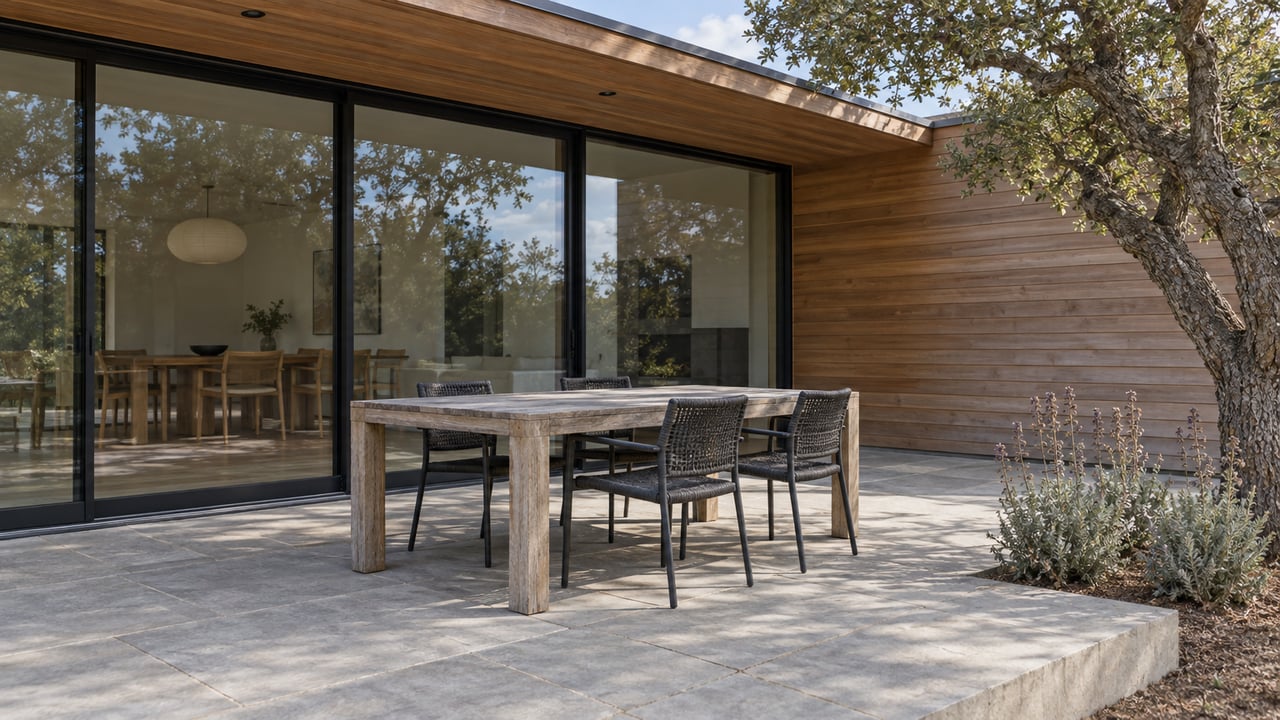
The Lafayette Reservoir, Briones Regional Park, and the Mt. Diablo Boulevard corridor add quality-of-life value. Many buyers look for yard space, privacy, and easy access to trails. Homes that connect indoor and outdoor living tend to get more showings and stronger offers.
Neighborhood variation
Prices vary by pocket. Hill settings with views and larger lots can trade differently than valley-floor streets with easier access to schools, BART, and downtown. Neighborhoods such as Spring Hill Valley, Happy Valley Highlands, and Tanglewood often appear in higher-valued ranges in aggregator maps. The key is to comp within the micro-market, not citywide.
Property features that lift prices
Layout and finishes buyers reward
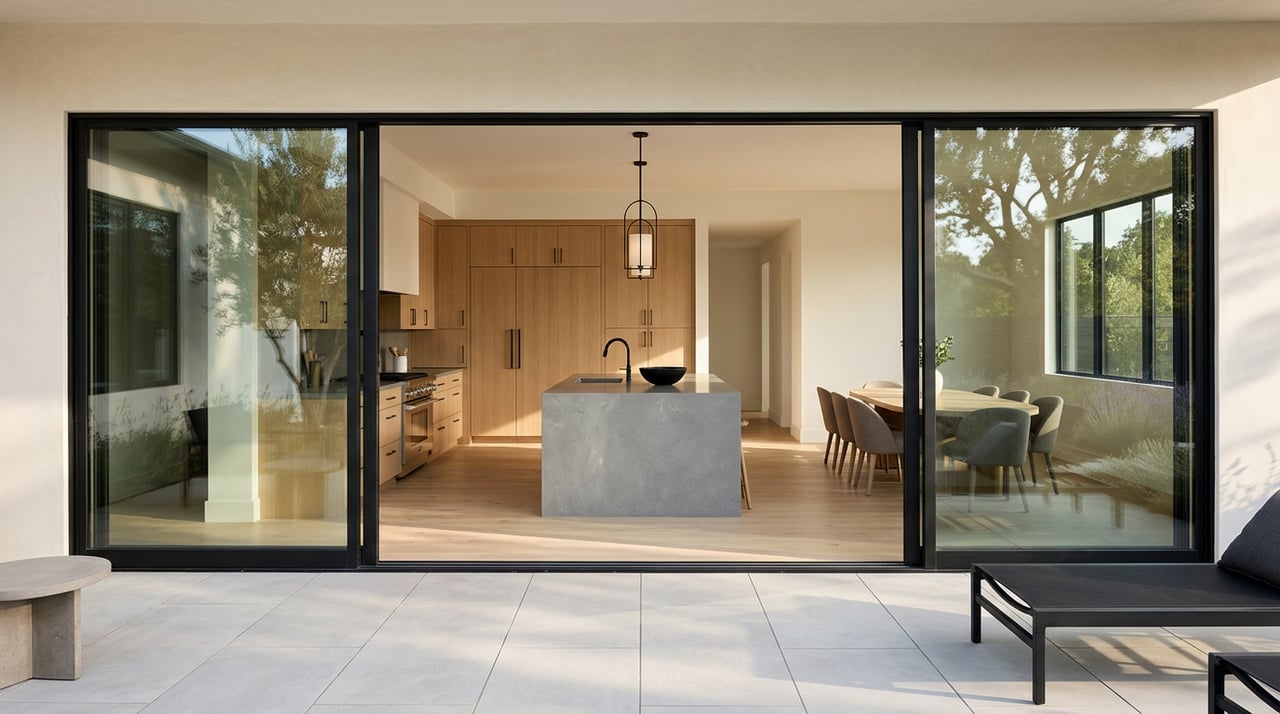
MLS-backed feature analyses show clear patterns. Open-concept layouts, single-story or ranch styles, stone counters, large windows, cul-de-sac locations, and strong landscaping all correlate with stronger sale-to-list performance. In winter 2025, open-plan homes in Lafayette sold at roughly 6% over list in sample data. While every home is unique, these features show up again and again in higher-performing sales.
Renovations that matter now
Buyers pay for function and quality. You typically see the best response from:
- Kitchen and bath upgrades with clean, modern finishes
- Creating or enhancing an open plan
- A well-executed primary suite
- Better indoor-outdoor flow with decks, patios, and yard improvements
These items help photos pop, increase perceived livable space, and reduce buyer project lists.
Energy, electrification, and EV
Solar, EV charging, efficient HVAC, and upgraded windows are frequent selling points. They can reduce operating costs and signal a “move-in ready” home. The dollar return varies by system size, incentives, and buyer priorities, so focus on clarity: provide age, capacity, permits, and utility bill data when available.
ADUs and permitting
Lafayette’s pre-approved ADU program
Accessory dwelling units are increasingly part of the value story due to rental potential and flexible living options. Lafayette launched a Pre-approved ADU (PADU) program to speed permitting and encourage more ADU construction. You can read the city’s program update on the City of Lafayette site.
ADUs can attract more buyers, but ROI is site-specific. Permit status, design, access, utility upgrades, and market rents all factor into the equation.
Quick ADU value checklist
- Confirm permit status or PADU alignment
- Estimate utility and sewer hookup costs
- Ensure a practical, private entry and backyard access
- Review parking and trash service logistics
- Document rental comps and projected operating costs
Risk and insurance in the hills
Fire Hazard Severity Zones and WUI rules
Wildfire risk influences pricing and insurance in Lafayette’s hill areas. The City adopted updated Fire Hazard Severity Zone maps effective July 10, 2025. Parcels in higher designations can face defensible-space requirements and Wildland-Urban Interface code compliance. These factors can affect disclosures, permitting timelines, and insurance availability or cost. Check parcel designations on the city’s fire hazard maps page.
Practical steps that help sell
Buyers respond to clear, well-documented risk mitigation. If your property is in a higher hazard area, highlight recent vegetation management, hardscape buffers, ember-resistant vents, and compliant clearance. Good records and photos can reduce buyer uncertainty and support stronger offers.
How this plays out on MLS and offers
Sale-to-list behavior
In recent months, many competitive Lafayette homes have sold above list price, with a sale-to-list ratio near 104%. At the same time, some monthly snapshots show medians slightly below list. That swing usually comes from mix and timing: which homes closed that month, how many were fully renovated single-family homes versus smaller properties, and whether the number reflects sold data or listing data.
Signals to watch in listing copy
Use listing details to gauge demand:
- School district references and verified boundaries
- Distance to BART and downtown
- ADU mentions or PADU-ready plans
- “Open concept” and renovated kitchen/baths
- Primary suite features
- Lot size, usable yard, and outdoor living
- “Defensible space” or recent vegetation management
- Solar or EV charging
- View or hillside location
The more of these high-demand items you see, the more likely you are to face competition.
Example pricing patterns
Move-in-ready, open-plan homes close to schools or BART often sell quickly and over asking. Homes on larger, private lots with strong indoor-outdoor flow can also command premiums. Properties that need major updates, have challenging topography, or sit in higher wildfire designations may trade more slowly or require sharper pricing.
Buyer and seller playbooks
Your buyer game plan
- Get fully underwritten pre-approval so you can move fast. Mortgage rates in early March 2026 hovered near 6% on 30-year loans, which shapes budget and monthly payment. For a current context, review a recent mortgage rate summary.
- Focus your search by micro-market. Decide your tradeoffs on school boundaries, BART access, lot privacy, and renovation level.
- Use feature-aware comps. Adjust for open plan, kitchen/bath recency, single-story living, and outdoor space.
- Plan for speed. Target homes that match your criteria and be ready to tour and write quickly.
Your seller game plan
- Prep for the features buyers reward. If you have limited time or budget, prioritize light kitchen and bath refreshes, paint, landscaping, and staging that opens sightlines.
- Document your upgrades. Provide permits, solar specs, EV charger details, and energy bills when helpful.
- Address risk items early. Complete vegetation management, gather defensible-space records, and clarify insurance.
- Price with comps and strategy. Use the most similar recent sales, then position for your goal: multiple offers or a defined timeline.
The bottom line
Lafayette pricing reflects a clear set of levers: school boundaries, BART and downtown access, renovation quality and open layouts, lot usability and outdoor living, ADUs and flexibility, and wildfire exposure and insurance. When you read listings and analyze comps through that lens, the market gets much clearer. Whether you are buying or selling, a data-grounded plan tied to your micro-market and home features will help you win.
If you want a tailored pricing read and step-by-step plan, connect with Glen Dsouza for a free consultation.
FAQs
What drives Lafayette home prices in 2026?
- Location near schools and BART, renovation level and open-plan layouts, outdoor living and lot usability, ADU potential, and wildfire risk all shape final sale prices.
How do school boundaries affect Lafayette pricing?
- Many buyers weigh Acalanes Union High School District boundaries when comparing homes, so verify attendance directly with the district and comp within the same school area.
Does proximity to Lafayette BART change what I should offer?
- Homes within a short walk or quick drive to BART and downtown often draw more competition, so plan for faster timelines and stronger initial offers.
Will an ADU increase my Lafayette home’s value?
- ADUs can widen your buyer pool and support higher pricing when well-designed and permitted, and Lafayette’s PADU program helps streamline approvals.
How do wildfire maps affect buying in Lafayette?
- Parcels in higher Fire Hazard Severity Zones may face defensible-space rules and insurance impacts, so check the city’s fire hazard maps for parcel-level status.
Are Lafayette homes still selling over list price?
- Many competitive properties are still closing above list, but month-to-month medians vary with mix and timing, so rely on recent, similar closed comps for decisions.
What mortgage rate context should I plan for in early 2026?
- Recent summaries placed 30-year averages near 6% in early March 2026, so budget carefully and consider full underwriting to strengthen your offer.